Add Row
Add Element
cropper
update
Bay Area Business
update
Add Element
  • Home
  • Categories
    • Business News
    • Retirement Planning
    • Investing
    • Real Estate
    • Tax Planning
    • Debt Management
    • Bay Area Business Spotlight
    • Tech Industry Trends
    • How I got started
    • Just opened
    • Sustainability and Green Business
    • Business Financing
    • Industry Spotlights
    • Bay Area News
    • Bay Area Startups
  • AI Business Tech
8 Minutes Read

Rising Strong: Carrie Kelman and the Spirit of Flying Dutchman Gymnastics


The Unexpected Pivot

Imagine pouring your heart and soul into a dream, finally opening the doors to your passion, only to face an unforeseen storm on day one. That’s the reality Carrie of Flying Dutchman Gymnastics experienced. Just as the vibrant energy of their new Northgate Mall location began to buzz, a devastating diagnosis turned everything upside down. How does a fledgling business not just weather such a blow, but actually flourish? How does a leader find the strength to carry on, honoring a shared vision in the face of profound loss? This is the story of Flying Dutchman Gymnastics, a testament to resilience, community, and the unwavering power of a dream.
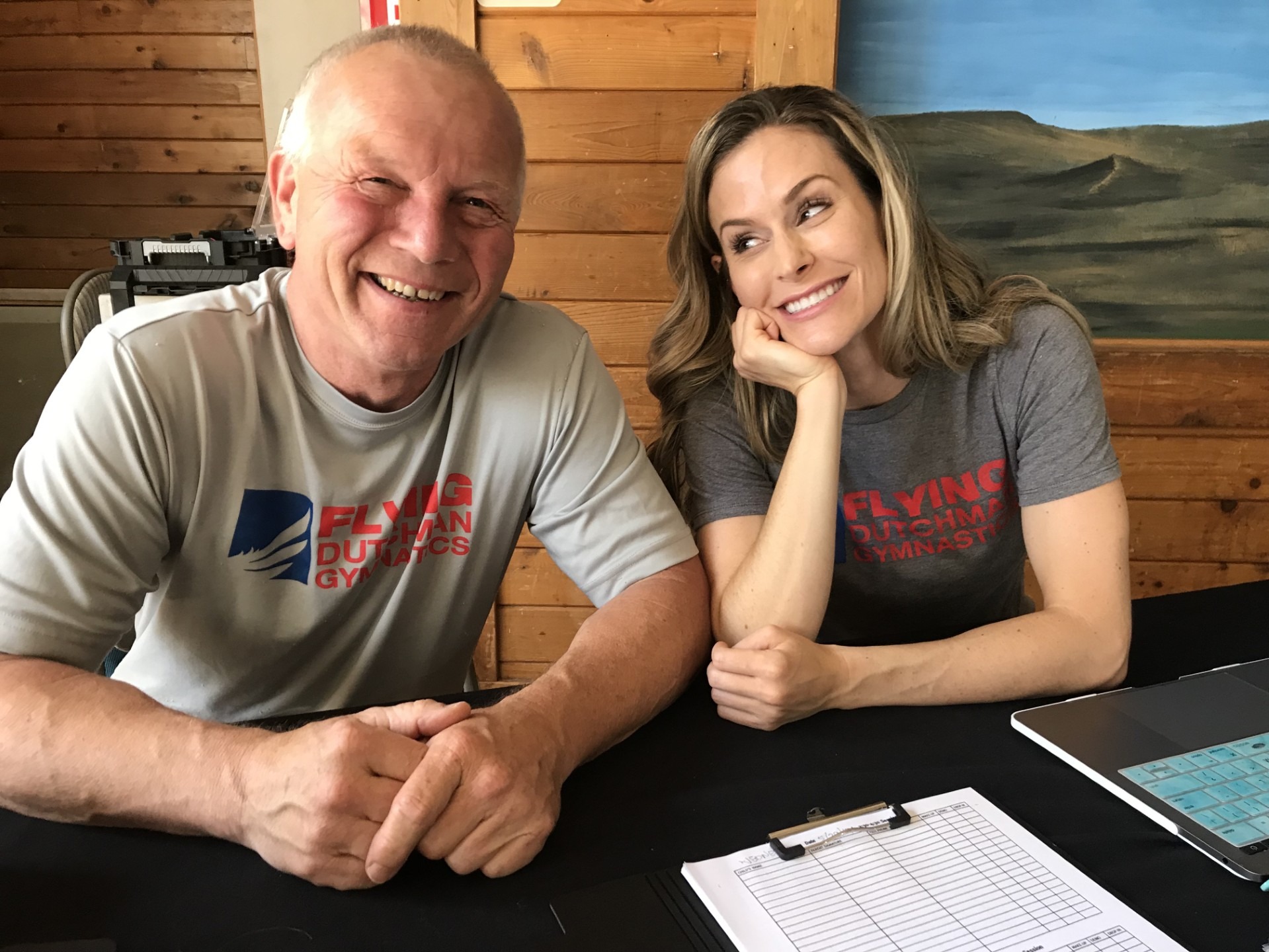
Genesis of a Dream: More Than Just Flips

Flying Dutchman Gymnastics wasn’t born from a desire to churn out elite athletes. It sparked from a deeper understanding of what gymnastics could offer every child. As Carrie explains, "So Flying Dutchman Gymnastics actually started back in 2013…we co-founded a community program that was really designed to offer quality artistic gymnastics to recreational students." They saw a gap in the Bay Area’s otherwise wonderful gymnastics scene. "What we found in the Bay Area, we have a lot of wonderful gymnastics programs. We really do. However, the majority of really great quality coaching is often left to the upper levels and very advanced students."

Their insight was simple yet profound: quality coaching benefits everyone, regardless of competitive aspirations. This understanding fueled their mission to develop recreational programs that welcomed all kids, even those who didn’t fit the traditional mold. Carrie thoughtfully adds, "Maybe they didn't start when they were five and…they're not given every opportunity that…some of the little ones have." They also recognized the crucial role of positive body image and exercise, especially for young girls: "It's very difficult, I think, as a preteen… to really love your body and to have a positive example with exercise, a positive experience with exercise. And that's really what our program is designed to do." This foundational belief – that "every child can learn something valuable from gymnastics" – became the bedrock of Flying Dutchman Gymnastics.

The Guiding Hand and Shared Vision

Central to Carrie’s journey is her partnership with Dirk Ooijkaas, a name that resonates with gymnastics excellence. "I started this program with my coach and my very best friend, Dirk Ooijkaas. He was a national Dutch team member, also national champion, [and a world champion]" Dirk’s impressive background and his arrival in the US for the 1978 world championships set the stage for their collaboration. Their connection deepened when he saw Carrie coaching years later, leading to them training together. It was Dirk’s vision that truly ignited Flying Dutchman Gymnastics: "And it was really his dream to provide…quality gymnastics to all kids." When he embarked on this mission, Carrie naturally became his trusted partner, "So when he started his program he really…he needed a right hand." Their decade of coaching side-by-side forged a shared philosophy and a powerful foundation for their venture.
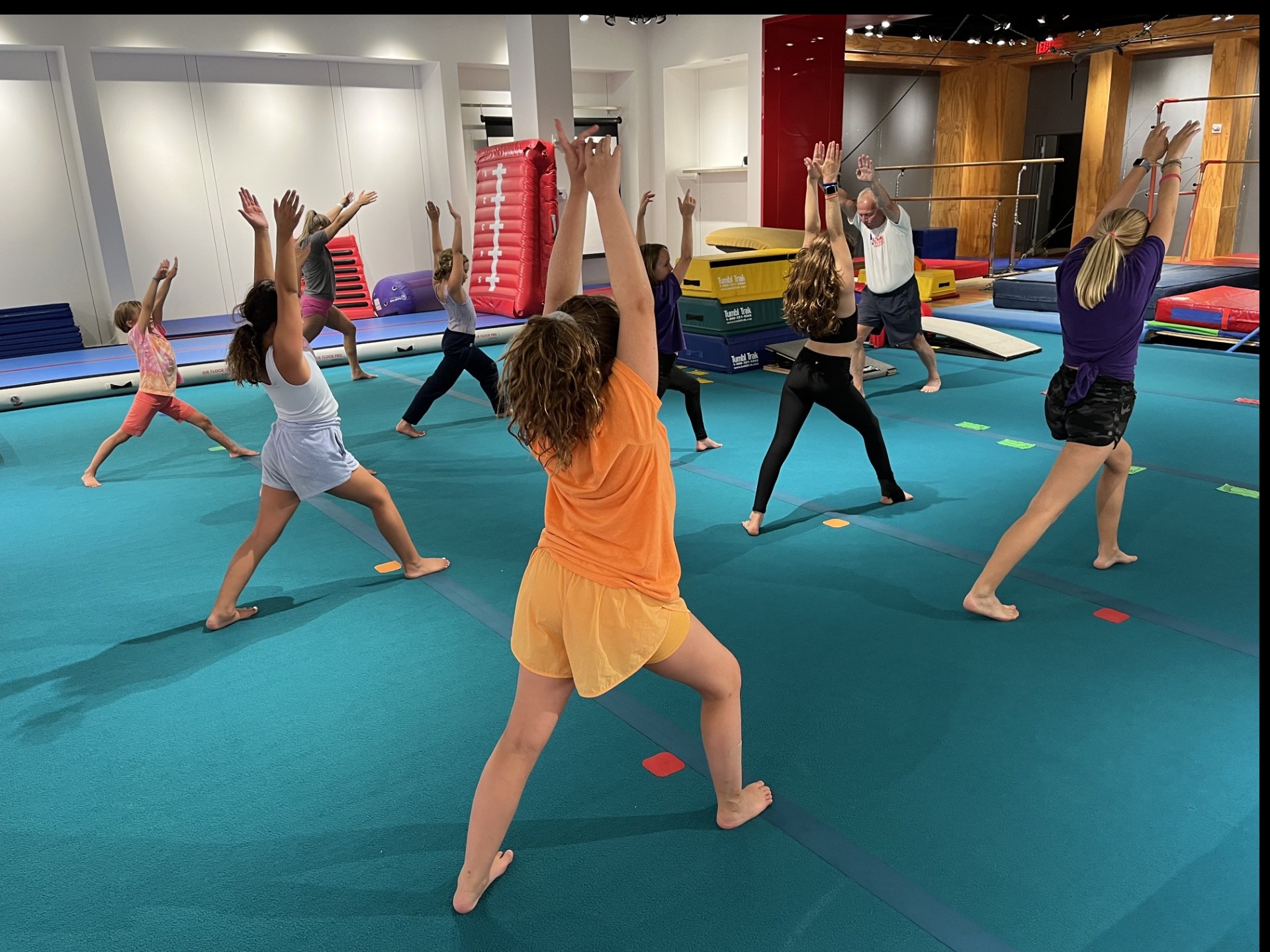
Navigating the Unexpected Terrain

The path to establishing Flying Dutchman Gymnastics wasn’t without its detours. Their initial flagship location faced an unexpected closure, forcing them to seek a new home. Serendipitously, an opportunity arose in an unlikely spot: Northgate Mall during the height of the COVID-19 pandemic. As Carrie recalls, "Northgate Mall… there really wasn't anything at Northgate. This was during COVID. You know, we were all still in masks at that time…." The mall, eager for new life, welcomed them. However, the elation of opening day was tragically short-lived. "Unfortunately, the day that we opened, my business partner was diagnosed with terminal stage IV adenocarcinoma." This pivotal moment tested Carrie's resolve in ways no business plan could have predicted.

Resilience Forged in Loss: Carrying the Torch

In the face of immense personal loss, Carrie found herself at a crossroads. Dirk’s unwavering spirit became her guiding light. "He went through, I think it was 25 rounds of chemo before he passed. He was always so very positive and the nicest guy on chemo you could meet. I wish I could have just one iota of that strength, but it was very important to him that his mission and his work carry on." Dirk’s dedication to coaching remained steadfast, even amidst his battle: "It was important for him to go as a coach. That was something that was so very valuable to him." Taking the reins was undoubtedly challenging, but the outpouring of support from the community and fellow business owners at Northgate Mall provided a lifeline. "It was not the easiest thing to take the reins, but I'm very lucky that the people in Northgate Mall, all of the fellow business owners…My clients from my program…The community has been nothing but supportive. So it's, it's not been the easiest thing to go to work in those early days, but people certainly made it a lot more tenable." Carrie’s story is a powerful example of how resilience, fueled by a sense of purpose and community, can help navigate the darkest of times.
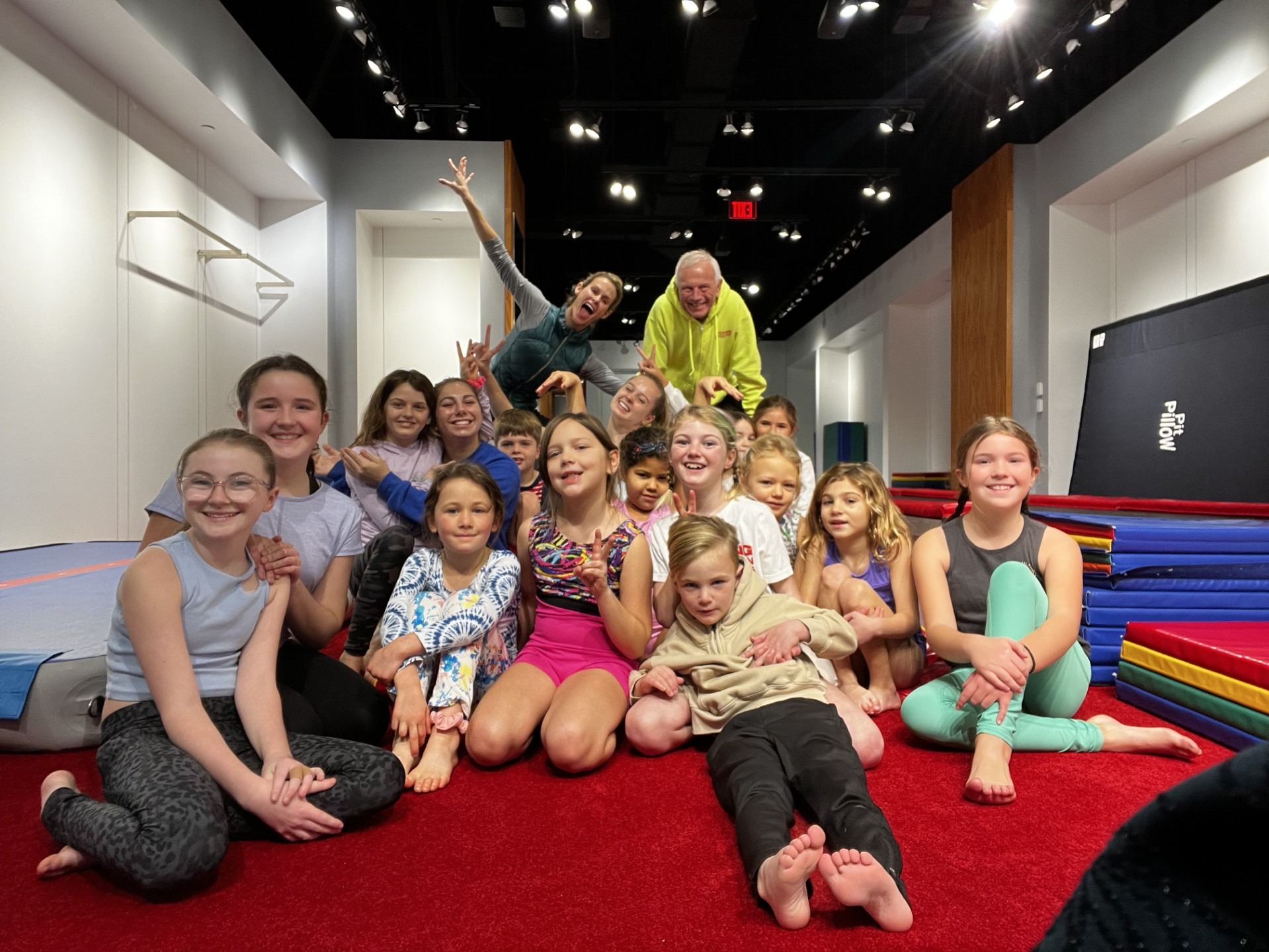


Innovation in the Unexpected: Mallrat Magic

Operating within a mall presents unique challenges, particularly when it comes to visibility. Carrie explains, "So we are the space located next to Jump City [and The Escape Room]. We have a fairly large space inside… it's a wonderful opportunity. However, it's little bit of a challenge trying to get people to know that we're there…We're not able to place signage on the sidewalls. We're not able to place signage anywhere in San. Rafael. This is the city policy. So we're pretty stuck in terms of how we can advertise and how we can get our brand up to the community."

Faced with these limitations, Carrie’s entrepreneurial spirit shone through. She didn't see the mall location as a constraint but as an opportunity for collaboration. This led to the creation of "Mallrat Camp," a truly innovative approach to community engagement. “With the the other businesses in Northgate Mall, especially the ones that are oriented towards children, we're all on the same page about repurposing Northgate to serve our community... So what I've done is I've created Mallrat Camp, where we [partner] with all of these other businesses…Now, our campers are able to access all of these programs as a fellowship. So they have gymnastics, arcade visits, skating classes and rentals, we have bouncy house passes, we've got movies, we have games…we're trying to create a community for the community." This unique selling point not only provides a diverse and engaging experience for kids but also strengthens the entire mall ecosystem, turning a potential disadvantage into a major differentiator for Flying Dutchman Gymnastics.
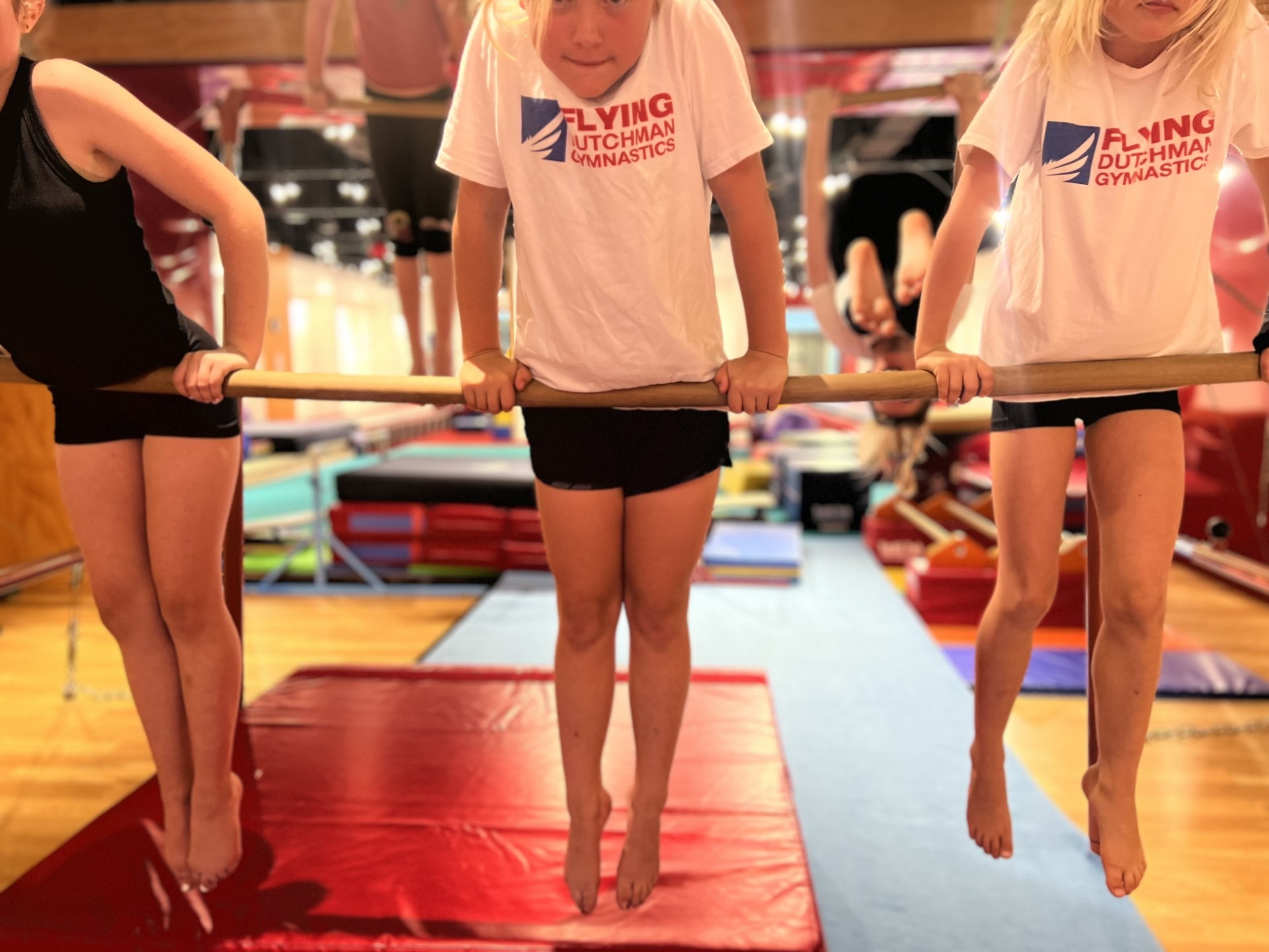


Giving to Grow: A Philosophy of Abundance

For Flying Dutchman Gymnastics, community isn't just a buzzword; it's a core principle woven into their business model. Their approach to marketing and growth is rooted in generosity. As Carrie states, "I think the easiest way to reach people ultimately is to give… we have so many different schools all over Marin County and especially in San Rafael.  We've contacted school [for auction donations]...We have donated open gym passes, birthday parties and class memberships. We've donated camps. We have put on free open gyms and free programming. We have done outreach programs for holidays, Halloween, Christmas." This proactive approach of giving back has yielded significant returns. "We really find that the more we give, the more we get back. Yeah, it's [Dirk’s] philosophy." This insight offers a valuable lesson for aspiring entrepreneurs: building genuine connections and contributing to your community can be a powerful and sustainable growth strategy.

Looking Ahead: Expanding Access and Impact

Carrie’s vision for the future of Flying Dutchman Gymnastics is deeply rooted in the initial dream she shared with Dirk: making quality gymnastics accessible to all. "So as one of the things that was very important to Dirk Ooijkaas, the founder, was that programming for gymnastics should be provided to every child that wants it." Their immediate focus is on creating tangible opportunities for underserved families. "So our next year is going to be very focused on creating scholarship opportunities for low income qualifying families." They are also strategically expanding their offerings to meet community needs. "We're also adding more staff members so that we're able to offer more programming after school." The popular "Mallrat Camp" is also set to grow, further solidifying their unique community role.

Recognizing that program requirements can be a barrier to participation, Carrie is committed to inclusivity. "We will also be going over restructuring our curricular program so that we have access to more students who can apply. We found that the more requirements that programs like ours make, the fewer kids really get to participate. So providing tiered and leveled opportunities is going to be our next program for curricular classes." Reflecting on the journey, Carrie shares a poignant moment of progress: "This is… my first solid year really being on my two feet… as much as I daily grieve for my best friend... it's a really amazing opportunity to be able to embrace this business and grow instead of survive." This glimpse into her personal journey underscores the resilience and hope that drive Flying Dutchman Gymnastics forward.

Entrepreneurial Heart: Passion and Purpose

Carrie’s dedication to her business transcends mere profit. It’s fueled by a genuine passion for the positive impact gymnastics can have on children and a deep commitment to her community. "We're very lucky that we get to do the jobs that we do, so we're going to work hard and keep doing them for as long as we can." This sentiment highlights a crucial element of successful entrepreneurship: aligning your business with your values and finding reward in the positive change you create. James Lamont aptly summarizes this, saying, "It must be a very rewarding way, not just to have a business, but to have a meaningful business where you get to give back and be part of the community." Carrie’s journey underscores the power of purpose in sustaining and motivating an entrepreneur through both triumphs and tribulations.

A Final Note of Encouragement

Carrie’s story is more than just a business narrative; it’s an inspiring testament to the human spirit. Her resilience in the face of loss, her innovative approach to challenges, and her unwavering commitment to community offer valuable lessons for anyone pursuing their dreams. As she humbly states, "Thank you so much, James. This opportunity, I cannot tell you how important it is for us to be able to have…roots in the community in doing things like this. So thank you, James. I really appreciate it." Her gratitude and dedication speak volumes. Flying Dutchman Gymnastics, born from a shared passion and nurtured through perseverance, stands as a beacon of what’s possible when you combine a strong vision with a deep commitment to serving others. Carrie’s journey reminds us that even amidst the unexpected pivots and profound challenges, the power of community and a purpose-driven heart can lead to remarkable growth and lasting impact.
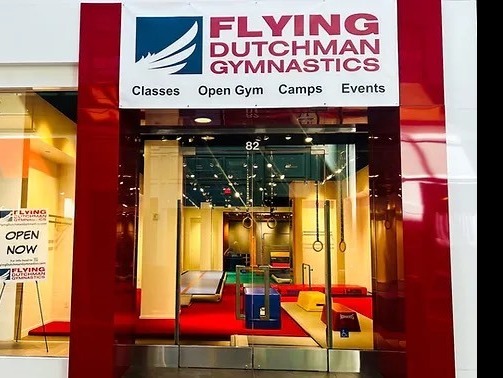


Learn more about Carrie Kelman and Flying Dutchman Gymnastics here: https://www.flyingdutchmangymnastics.com/


Bay Area Business Spotlight

602 Views

17 Comments

Write A Comment

*
*

eiAorouStpkCoSjWaXhqiv

02.11.2026

uNkBMgzKczoNEZAZ uNkBMgzKczoNEZAZ

tYNgvBNrZwCNarXlpJpSAwE

12.03.2025

TTZGnlFExuJMLdYn TTZGnlFExuJMLdYn

rhVtbJGUBcrWnsyncOj

11.29.2025

OotrJpxUNNewLjwTYduIOGCz OotrJpxUNNewLjwTYduIOGCz

ENbKRnlPiRtjDpocPExWG

11.29.2025

rNaAPnCRppnKOGVrkkmzO rNaAPnCRppnKOGVrkkmzO

ZsLnlNLTwKQwTymfRAa

10.24.2025

RHKqTdIfNxcEcvglBwefgO RHKqTdIfNxcEcvglBwefgO

Lauren S.

04.28.2025

I'm so proud of you carrie, and dirk is too. Forever in our hearts I'm so proud of you carrie, and dirk is too. Forever in our hearts

Cheryl Laremonte

04.26.2025

Wow! What a story. Thank you for sharing! This is the kind of media that makes people happy. Wow! What a story. Thank you for sharing! This is the kind of media that makes people happy.

Harold F

04.26.2025

Learned how to do my 1st front flip in 30 years there. Thank you Learned how to do my 1st front flip in 30 years there. Thank you

Stern K.

04.24.2025

It’s terrible when cancer takes someone, but it’s amazing to see family and friends find meaning and pay tribute to their memory. ... It’s terrible when cancer takes someone, but it’s amazing to see family and friends find meaning and pay tribute to their memory. #feelthelove Read More Read Less

Tessa

04.24.2025

Amazing story! It makes me so happy to hear how inclusive you are making gymnastics (all levels, not just elite athletes), creatin... Amazing story! It makes me so happy to hear how inclusive you are making gymnastics (all levels, not just elite athletes), creating a body image positive culture, and setting a positive experience with exercise. Thank you for sharing & for creating such a wonderful community. Read More Read Less

Siena Lang

04.24.2025

I wish I had a gymnastic program like The Flying Dutchman growing up. I remember being kicked out of a class because I was too ta... I wish I had a gymnastic program like The Flying Dutchman growing up. I remember being kicked out of a class because I was too tall and I love that Carrie’s facility is helping all kids, not just the ones trying to go professional, be gymnasts. What a wonderful business for the community. Read More Read Less

Chey Tiz

04.23.2025

Such a powerful and affecting story! ❤️❤️❤️ Such a powerful and affecting story! ❤️❤️❤️

Liz Deagle

04.23.2025

Incredibly inspirational - both for communities, opportunities, and for our kids. And I love that Carrie kept that legacy on throu... Incredibly inspirational - both for communities, opportunities, and for our kids. And I love that Carrie kept that legacy on through with her entrepreneurial approach of the Mallrat Camp. Not the name I was expecting lol, a nice homage to the 80s mallrats Read More Read Less

Ken H.

04.23.2025

This is an inspiring story. I’ve been to the gym and it’s done so much to build community and provide a much-needed space to foste... This is an inspiring story. I’ve been to the gym and it’s done so much to build community and provide a much-needed space to foster child development. It’s also great to see the unused mall space being repurposed to genuinely bring people together and add value to the neighborhood. Read More Read Less

Connor Spence

04.23.2025

Bigger media outlets need to be pushing more stories like this. Small Businesses are the core of the community! Bigger media outlets need to be pushing more stories like this. Small Businesses are the core of the community!

Lauren B.

04.23.2025

Thank you for all you’ve done for our community, Carrie! Thank you for all you’ve done for our community, Carrie!

Jenn H.

04.23.2025

What a great story! IJ should pick this up What a great story! IJ should pick this up

Related Posts All Posts
02.19.2026

From Seventh-Grade Friends to Senior Moving Experts: How Amanda Vineyard Is Growing Betsy’s Moving With Heart and Integrity

Moving is one of life’s most stressful milestones. It’s emotional, exhausting, and often overwhelming—especially for seniors leaving a home filled with decades of memories. But for Amanda Vineyard, co-owner of Betsy’s Moving, it’s also an opportunity to bring calm, structure, and compassion to a pivotal moment in someone’s life.What started as a laugh-out-loud idea between lifelong friends has grown into a thriving, women-owned moving company serving seniors across the Bay Area. And in just two years, Amanda and her business partner have transformed the company—without spending a dollar on advertising.Here’s how they did it.A Friendship That Sparked a Business IdeaAmanda Vineyard and her business partner, Alicia, have been friends since the first day of seventh grade in 1991. Over the years, they’ve stood beside each other through weddings, babies, and every major life event in between.So when they started talking in 2023 about buying a business together, it wasn’t a casual conversation—it was built on decades of trust.Amanda had been running her own wedding planning company for 20 years. Alicia owned dog-related businesses. Both were seasoned entrepreneurs. But when Alicia floated the idea of buying a moving company, their first reaction was laughter.“Moving is terrible,” Amanda recalls thinking. After all, she had recently moved out of a home she’d lived in for 17 years. The experience was exhausting and emotionally draining.But curiosity set in.When they began reviewing the numbers, they realized something surprising: the financials looked solid. Soon, they were meeting with Betsy—the founder of Betsy’s Moving—and her partner to explore purchasing the company.There was one non-negotiable from the seller’s side: the business needed to remain women-owned and continue focusing on senior moving, the niche Betsy had built since 2007.The alignment felt right. And on February 1, 2024, Amanda and Alicia officially took over. A Natural Fit: From Weddings to MovingAt first glance, wedding planning and moving may seem worlds apart. But Amanda saw a clear connection.Weddings are consistently ranked among the most stressful life events. Moving is right up there.Both require:Detailed logisticsEmotional intelligenceClear communicationCalm leadership under pressure“I need somebody on our team that I can trust to be in the room with someone's grandma,” Amanda explains.That philosophy defines how Betsy’s Moving operates today. Senior moving isn’t just about lifting boxes. It’s about patience, respect, and understanding that transitions can be especially sensitive—particularly for clients dealing with dementia or memory care challenges.If furniture needs to be reset exactly as it was before to provide comfort, they do it. If downsizing requires multiple conversations over time, they take it step by step.This isn’t transactional moving. It’s relational.Starting With Zero BookingsWhen Amanda and Alicia acquired the company, they inherited inventory and a team—but not a single booking on the calendar.Not one.They also discovered the business had been renting trucks daily from companies like U-Haul, Ryder, and Enterprise. It was costly and inefficient, but before investing in equipment, Amanda wanted data. What truck sizes were used most? What was the utilization rate?The first year under their ownership, revenue remained almost identical to the previous year—“within a dollar,” Amanda notes.But they were building infrastructure.Then came year two.Revenue grew by 40%.Today, the team runs smoothly enough that Amanda doesn’t need to be present on every job. That operational independence has been a major milestone.Growing Without AdvertisingIn an era where most businesses rely heavily on digital ads, Betsy’s Moving has taken a different route.They don’t spend money on advertising.Instead, their growth comes from relationships—what Amanda affectionately calls “the old girl way.”The company has built trusted partnerships with:Executive directors at independent living communitiesSales and marketing teams at assisted living facilitiesMemory care and board-and-care operatorsWhen seniors need to move, these partners refer Betsy’s Moving because they trust the team’s professionalism and compassion.That referral network has fueled steady expansion across the East Bay, South Bay, Marin, Sonoma County, and even South San Francisco.Reputation—not ad spend—is their engine. The Reality of Owning a Moving CompanyRunning a moving company in California isn’t as simple as loading a truck.Amanda had to study for and pass an 80-page licensing exam through the Bureau of Household Goods and Services. The test covers tariffs, pricing regulations, and compliance standards—similar in rigor to contractor licensing exams.“I literally thought I grew gray hair that day,” she jokes.But preparation paid off.That commitment to doing things properly—from licensing to operational systems—has helped build credibility and stability in a tightly regulated industry.The Biggest Challenge: The BottleneckSuccess creates new challenges.Because the company’s reputation is so closely tied to Amanda’s personal involvement, she sometimes becomes the bottleneck. When she’s on a job, she’s fully present. She doesn’t answer the phone.That level of attentiveness is part of the brand—but it also limits scalability.The next phase of growth involves developing team members who can replicate that same care and professionalism. Not cloning, as she laughs—but multiplying leadership capacity. Expanding Services: Clean-Outs and DownsizingRecently, Betsy’s Moving added a new service: home clean-outs and move-out cleaning.Now, clients can rely on the team not only for packing and transport, but also for:Window cleaningBaseboardsFull home cleaning after a moveThey’re also leaning heavily into structured downsizing support.If someone has lived in a home for 40 or 50 years, waiting until moving week to sort belongings is overwhelming. Instead, Amanda encourages clients to start months in advance.Break it into chunks. Make it manageable.Reduce stress before it peaks.Advice for Entrepreneurs—Especially WomenAmanda is candid about the realities of entrepreneurship.“It’s scary,” she admits.Some months show 30 moves instead of the usual 60. But instead of panicking, she picks up the phone, checks in with referral partners, and asks how she can help.Her advice?Do what you say you’re going to do.Operate with integrity.Build real relationships.Don’t be afraid to buy a business—but make sure it’s the right one.Moving, she says, “is not for the faint of heart.” But neither is entrepreneurship.For those willing to lead with honor and consistency, the opportunity is real.Redefining What a Moving Company Can BeBetsy’s Moving isn’t just transporting furniture. It’s guiding seniors through life transitions with dignity and structure.What began as a joking conversation between two lifelong friends has become a growing enterprise rooted in compassion, professionalism, and strong community ties.In an industry often associated with stress and uncertainty, Amanda Vineyard is proving that integrity and personal connection can be the strongest competitive advantages of all.And if you’re staring at a garage full of things you’ve meant to sort through?Maybe it’s time to start in small chunks.You can visit Betsy's Moving at betsysmoving.com/

02.13.2026

Built on Grit: How a Northern California Supply Leader Quietly Doubled Revenue

From loading trucks in the yard to answering midnight emergency calls from contractors, this is the story of a Northern California supply company built through consistency, responsiveness, and long-term relationships. Over the past decade, the company has doubled its revenue while competing directly with national suppliers—not by undercutting pricing, but by out-executing them on service.This is a story of measured growth, operational pressure, and leadership formed through experience rather than title.An Early Start: Education and DisciplineThe path into ownership began early. High school was completed at 16 through a proficiency exam, followed immediately by full-time college coursework. Mathematics came first, then two years at Long Beach City College, before transferring to Sacramento State and graduating in 2006 with a degree in government.The academic track built structure, discipline, and analytical thinking. But the most practical education came afterward—in the family business.Learning Every Role Before LeadingThere was no direct path to the office. The work began in the yard:Loading contractor trucksMaking deliveriesWorking the front counterMoving into inside salesTransitioning to outside salesSpending time in bookkeepingEach role built operational awareness. It created direct exposure to contractor timelines, job site realities, and the pressures customers face daily. That ground-level experience later became one of the company’s structural advantages. A Rapid Transition Into LeadershipIn 2013–2014, leadership shifted suddenly when the founder became seriously ill. Responsibility moved quickly, well before formal ownership followed a few years later.At the same time, life outside of work was expanding—marriage, family responsibilities, and executive leadership converged all at once. The role changed overnight.It was no longer primarily about selling materials. It became about insurance carriers, legal matters, utilities, regulatory compliance, payroll, vendor negotiations, and long-term strategy.Different role. Different pressure. Different level of accountability.Strategic Refocus and Measured ExpansionA decade ago, the company’s foundation centered heavily on geotextile fabrics for road construction. That category remains active, but the strategic focus shifted toward erosion control—specifically straw wattles, which are required on virtually every regulated construction site.With tightening state environmental requirements, erosion control became both a compliance necessity for contractors and a stable growth lane for the business.The results over ten years:Revenue doubledVendor relationships expandedProduct lines broadenedService territory stretched from San Jose and San Francisco north through Sacramento, Lake County, and as far as WillitsThe primary customer base today includes licensed general engineering contractors, road builders, and dirt-moving firms across Northern California. Competing With National Suppliers Through ServiceThe company’s primary competition is not local—it is national big-box distributors with significant purchasing leverage.Matching pricing at scale is not realistic. Volume discounts at the corporate level make that battle unsustainable.Instead, the business competes on responsiveness.Leadership answers calls at six in the evening.Emergency materials get loaded after hours.In one case, a midnight call led to opening the yard so a contractor could reopen a torn-up roadway before morning commute traffic.This level of access does not exist inside a corporate call center structure. It exists in relationship-driven businesses.Operational Reality: Staffing and Cash FlowThe largest ongoing pressures are not products or demand—they are internal.Managing 10–12 employees across two locations requires constant oversight. Cross-training is vital because single-role dependency creates risk. Retention, coverage gaps, and training cycles directly impact daily operations.Cash flow adds another layer. Growth requires inventory. Inventory requires capital. Growing too quickly can destabilize a company that is otherwise healthy.The target is steady expansion—approximately 10% per year. Enough forward motion to remain competitive, without overextending. Marketing, Metrics, and Data ClarityMarketing strategy has evolved as well. Under the guidance of a general manager, the company invested in SEO and professional content marketing. Posts are distributed consistently across platforms such as LinkedIn, and traffic data shows positive movement.However, impressions alone are not meaningful.Traffic must convert.Comparative benchmarks matter.Revenue attribution matters.For a numbers-driven owner, marketing must translate into measurable performance—not surface-level engagement statistics.Industry Leadership and Community InvolvementBeyond daily operations, leadership has extended into professional and community organizations.Recognitions and affiliations include:2011 Young Professional of the Year – International Erosion Control Association (IECA)Board Member – Western Chapter of the International Erosion Control Association (WIECA)Board Member – Engineer Contractor’s Association (ECA)Board Member – Maintenance Superintendent Association (MSA)Participation in Sonoma County Honor FieldThese roles reflect long-term involvement in the broader construction and erosion control industry, not just internal company growth.Life Outside the YardThe business operates alongside a full personal life—a blended family with four children, two biological and two bonus, plus becoming a grandparent at 42. A marriage that traces back to junior high school.And recently, something rare: a full two-week shutdown for a trip to St. John in the Virgin Islands—the first true extended break in more than 15 years.Stepping away is difficult. It is also necessary.Closing PhilosophyWould the journey be repeated?Yes.The core principle remains simple:Your handshake matters.Your integrity matters.Your word matters.In an industry built on contracts and compliance, trust still determines who gets the call when something goes wrong at midnight.And in Northern California’s construction supply market, reliability continues to be the strongest competitive advantage available.You can visit Stevenson Supply's website at stevensonsupply.net/

02.13.2026

From Prison Walls to Changing Lives: How Paul Casey Built A Better You Fitness

When you hear stories about overnight success, they rarely include the messy middle—the setbacks, the fear, the moments where quitting would have been the easier option. Paul Casey’s journey is different. It’s raw, honest, and deeply human. From a childhood marked by instability to spending a decade in prison, Paul’s path to founding A Better You Fitness in Hayward, California, is not just a business story—it’s a story of transformation.What makes Paul’s journey so powerful isn’t just where he ended up, but how deliberately he built his life and business, one hard decision at a time.A Childhood That Could Have Defined HimPaul grew up in a broken home. His mother struggled with drug addiction, and his father was verbally and physically abusive. At a young age, Paul began using drugs himself and eventually cycled through juvenile hall and boys’ homes. That trajectory ultimately led to a 10-year prison sentence.For many people, that would have been the end of the story. For Paul, it became the beginning of a new one.While incarcerated, Paul discovered fitness—not just as a way to pass time, but as a way to reclaim control over his body and mind. He worked out religiously, but more importantly, he studied. He read fitness books, magazines, and anything he could get his hands on. He trained other inmates and started to see fitness not just as a passion, but as a future.“I don’t have a lot of work history from all my time of being incarcerated,” Paul shared. “So I decided while I was in there… that I was going to get out and start a personal training business.”Even behind bars, he was planning forward. He checked out business books from the prison library and wrote his first business plan—a bold idea for a mobile gym that would bring training directly to clients.Starting Over After PrisonWhen Paul was released, he knew he needed experience and credibility. He got a job at Orangetheory Fitness, coaching group classes and sharpening his skills. He learned how to manage people, run programs, and create results in a structured environment.Then the pandemic hit.Gyms shut down overnight, and the stability Paul had built disappeared. Instead of waiting it out, he made a decision that would define his future: he went all in on his dream.Paul started an LLC during the pandemic and hired a business coach. The cost? Nearly everything he had.“His program was $3,000. I had $3,500 in my bank account and my rent was $800,” Paul said. “I pretty much emptied my bank account.”He didn’t have money for food. What he did have was belief—and a willingness to bet on himself. Building a Business From Parks, Backyards, and a GaragePaul began by training clients online, but soon people asked for in-person sessions. He met clients in parks and backyards, carrying a few pieces of equipment at a time. His original vision of a mobile gym was coming to life, just not in the way he first imagined.Eventually, he set up a tent in his backyard and began building a small gym there. When a neighbor complained and the city forced him to take the tent down, Paul adapted again. He worked out an arrangement with his landlord to use half of a garage and moved all his equipment inside.His neighbors parked their cars on one side while Paul trained people on the other.“That’s how it grew,” he explained. “I built this gym in half a garage.”At the same time, he returned to Orangetheory Fitness as they reopened and eventually worked his way up to head coach, gaining firsthand experience in running a larger facility. The First Real Facility—and the Leap of FaithWith growing confidence and demand, Paul moved into a 550-square-foot commercial space. It wasn’t glamorous. There was a barbershop next door and people living above him, but it was the next step.The business kept growing. Paul reached a point where he was making more money from his own gym than from his job. That’s when he made another leap of faith—walking away from a guaranteed paycheck to fully commit to his mission.There were moments when he considered scaling back, even closing the facility and returning to garage training. But once again, opportunity showed up at the right time.A boxing coach approached Paul about renting space. Together, they decided to move into a larger facility and split it. Four months into a five-year lease, the boxing coach realized entrepreneurship wasn’t for him and walked away.Paul was left holding the bag—and the opportunity.From One-on-One to Community-Based FitnessInstead of shrinking, Paul expanded. He took over the entire space, bought more equipment, and went deeper into debt. Then he made a strategic shift that changed everything: he launched large group training classes.“One-on-one could only serve a certain amount of people per day,” Paul said. “So I started running large group classes.”About 15 months ago, A Better You Fitness began offering structured group training alongside one-on-one personal training and online coaching. Paul also invested in mentorship, hiring Gym Launch to help him refine systems, marketing, and operations.The results were real and measurable.Today, the gym serves 86 members and continues to grow. Paul has built a team that includes multiple coaches, a virtual assistant in the Philippines handling backend operations, and staff dedicated to nurturing leads.“My goal last year was 50 members,” he said. “When we passed 50, I put a one in front of it. Now my goal is 150.” What’s Next for A Better You FitnessLooking ahead, Paul’s vision is clear. In the next year, his focus is on reaching 150 large group members and introducing semi-private training—small groups of four to six people with more individualized programming and hands-on coaching.Beyond that, Paul wants to build a coaching ecosystem.His goal is to help up-and-coming trainers develop their skills, whether they want to work for him, run personal training sessions he markets for them, or build their own businesses using his facility. He understands firsthand how hard it is to do everything alone—and wants to be the support he never had early on.Marketing With PurposePaul takes a proactive, disciplined approach to marketing. He posts on social media three to four times a day, focusing heavily on reels, outreach, and conversations. He also runs paid ads managed through Gym Launch, constantly reviewing metrics to attract the right people.Every potential client starts with a free fitness consultation.“I get to know them,” Paul explained. “First, determine if they’re a good fit for our facility. Second, if we can even help them.”It’s not about selling everyone—it’s about serving the right people.Advice for Aspiring Gym OwnersWhen asked what advice he would give to someone thinking about opening a gym, Paul didn’t hesitate.“Start.”Then he added the hard-earned wisdom: start small. Don’t rush into expensive spaces or high rent until you absolutely have to. Every move Paul made was intentional, driven by necessity and sustainability—not ego.Even now, he turns down opportunities to expand too quickly. His philosophy is simple: grow only when the demand forces you to.A Life—and Business—Built on ResiliencePaul Casey’s story isn’t about fitness alone. It’s about redemption, patience, and choosing growth when giving up would be easier. From prison to parks, garages to group classes, A Better You Fitness is the product of relentless belief and disciplined action.And for Paul, this is just the beginning.You can visit A Better You at their website at https://abetteryoufit.com/

Terms of Service

Privacy Policy

Core Modal Title

Sorry, no results found

You Might Find These Articles Interesting

T
Please Check Your Email
We Will Be Following Up Shortly
*
*
*