Add Row
Add Element
cropper
update
Bay Area Business
update
Add Element
  • Home
  • Categories
    • Business News
    • Retirement Planning
    • Investing
    • Real Estate
    • Tax Planning
    • Debt Management
    • Bay Area Business Spotlight
    • Tech Industry Trends
    • How I got started
    • Just opened
    • Sustainability and Green Business
    • Business Financing
    • Industry Spotlights
    • Bay Area News
    • Bay Area Startups
  • AI Business Tech
May 26.2025
3 Minutes Read

Trump Media Group Aims for $3 Billion Investment in Cryptocurrency: What You Need to Know

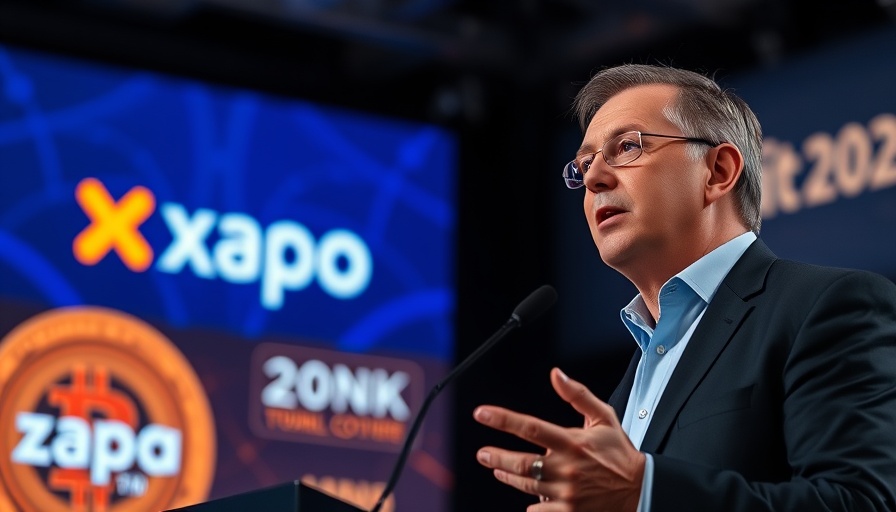
Prominent speaker at cryptocurrency event in Nashville backdrop with Xapo Bank and Bitcoin 2024 logos.

Trump Media Group Eyes $3 Billion Cryptocurrency Venture

In a surprising move amidst his political ambitions, Trump Media Group has announced its intention to raise $3 billion, strategically targeted for investments in cryptocurrencies. As former President Donald Trump continues to navigate the complex landscape of American politics, this initiative signals a significant shift towards embracing digital currencies, which have garnered both fervent supporters and staunch critics.

Understanding the Implications of This Investment

The implications of Trump Media Group's cryptocurrency investments are multifaceted. On one hand, the surge of interest in digital currencies has been spurred by their potential for high returns. However, this realm is also fraught with volatility and regulatory scrutiny. Given that venture capital funding in the tech industry is often associated with substantial risks, observers will be watching closely to see how the Trump Media Group addresses potential pitfalls.

The Broader Context: Silicon Valley Startups and Cryptocurrency

Silicon Valley has long been the home of startups that redefine industries. With many tech entrepreneurs and venture capitalists investing heavily in blockchain technologies, Trump’s entry into this arena is noteworthy. The startup ecosystem is already filled with innovative companies exploring various uses of cryptocurrencies, creating waves in the financial sector. Leaders in the tech industry will undoubtedly be monitoring Trump's decisions and their potential ripple effects on commercial real estate, mergers, and acquisitions.

Counterarguments: What Critics Are Saying

Despite the excitement surrounding cryptocurrencies, critics are vocal about the potential dangers involved. Economic forecasts suggest that the crypto market's volatility could threaten not only investments but also public trust in digital currencies. Observers are concerned that Trump’s foray into this space could fuel further speculation, raising more questions than answers about the long-term viability and ethical implications of such investments, especially as many Americans are still recovering from economic fallout from the pandemic.

Future Predictions: Opportunities and Challenges Ahead

Experts predict that Trump's investments could pave the way for new conversations about cryptocurrency's role in the economy. Investors will need to weigh the prospects of digital currencies against flashes of regulatory changes, as governments worldwide grapple with how best to manage this evolving landscape. Trends indicate that businesses which adapt to digital transformation may hold a competitive edge, particularly as discussions about sustainability in business continue to gain traction.

The Importance of Awareness and Education

For everyday consumers looking to understand the cryptocurrency boom, education will be paramount. Businesses and individuals alike should be equipped with knowledge about digital currencies including how they operate, the risks involved, and their potential benefits. Organizations focused on corporate social responsibility must consider how they can inform and support their communities regarding these financial trends.

Final Thoughts and Takeaway

The evolving landscape of cryptocurrencies and their influence on business trends cannot be underestimated. As industries adapt and evolve, understanding the implications of significant investments and movements from figures such as Trump is vital for stakeholders across the board. Keeping an eye on these developments can not only inform investment strategies but also enhance knowledge of business growth strategies moving forward.

Remember, staying informed and proactive is key in a world where the business landscape can shift overnight.

Business News

8 Views

0 Comments

Write A Comment

*
*
Related Posts All Posts
03.05.2026

Greg Abel's Bold Move: Berkshire Hathaway’s First Buyback in Years

Update Greg Abel Marks a New Era at Berkshire Hathaway with Stock BuybacksRecently, a pivotal moment unfolded at Berkshire Hathaway as Greg Abel took decisive action to restart stock buybacks for the first time since early 2024, marking a significant shift in the company’s strategy after Warren Buffett's long tenure. This move not only reflects a new direction under Abel’s leadership but also reassures investors about the firm’s capital allocation strategies amidst changing market conditions. Abel is not just steering the company; he is also putting his money where his mouth is, personally investing $15 million in Berkshire stock.What’s Driving the Buybacks?Warren Buffett, known for his typically conservative approach regarding share buybacks, had refrained from them in the years leading up to his retirement in 2024. Under his leadership, the company amassed a sizable cash reserve, raising questions about how the new CEO, Abel, would navigate this financial landscape. By reinitiating buybacks, Abel aims to signal his confidence in the company's evaluation and align with shareholder interests, an ethos he discussed during his transition into the CEO role. Insights from Bloomberg and Market ReactionsInvestors have reacted positively to these developments, and analysts are keenly watching how these buybacks will influence Berkshire's market standing. For instance, Simply Wall St notes that Berkshire is currently trading significantly below its estimated fair value, hinting at the potential for capital appreciation in light of these recent buybacks. This is crucial for shareholders who are hoping for a return on their investments. Furthermore, Abel's personal investment can be interpreted as a vote of confidence in Berkshire's future success.Implications for Future Market DynamicsAs the business environment evolves, the decision to resume share buybacks could reshape market dynamics. Companies engaging in buybacks often signal optimism about their financial health, leading to bolstered stock prices. For Berkshire, this aligns with Abel’s focus on promoting sustainable business practices while also navigating private equity discussions and potential acquisitions. Keeping an eye on how these actions will impact market trends remains paramount.The Role of Transparency and CommunicationWhile corporate governance practices are evolving, the necessity for transparency in operations and motives becomes critical. As Greg Abel charts his course amid scrutiny, clear communication with investors is essential. This kind of openness creates trust within the shareholder community, essential for maintaining strong corporate culture and leadership. Weekly updates and insights into stock performance, along with continued buyback execution, will be crucial for unlocking investor confidence.Conclusion: The Road Ahead for Berkshire HathawayIn closing, Greg Abel's decision to reinstate share buybacks at Berkshire Hathaway embodies a significant strategic move in the post-Buffett era. His personal investment further reinforces confidence in the company's future trajectory. As we look forward, observing how this shift impacts Berkshire’s operational decisions, market valuation, and overall shareholder satisfaction will be critical. The company appears poised to navigate new challenges while adhering to the stable and growth-oriented vision shaped by previous leadership. Investing in a company led by a CEO who demonstrates faith in its principles may create a win-win situation for both the firm and its stakeholders.

03.05.2026

What the UK Police's Search of a Journalist's Home Means for Press Freedom

Update UK Police Investigation Tests Press Freedom in a Global Context In a significant development, UK police have conducted a search at the home of a journalist as part of an ongoing investigation linked to alleged Chinese spying activities. This incident raises critical questions about press freedoms and the safety of journalists, particularly amidst increasing geopolitical tensions involving China. The case reflects a wider narrative where journalists often find themselves at the crossroads of national security and freedom of expression. The Global Landscape of Press Freedom Press freedom is a cornerstone of a democratic society, yet journalists face escalating risks globally. In recent years, various countries have implemented stringent measures against media personnel, citing national security or anti-terrorism obligations. In this atmosphere, cases like that of the UK journalist remind us that the erosion of press freedom is not confined to one region or government. Instead, it is a looming threat that can emerge in any corner of the globe, particularly in contexts where international relations are strained. Implications for Journalists in the Digital Age In an era marked by digital transformation, the ramifications of such investigations extend beyond traditional journalism. The internet has empowered journalists, but it has also given governments new tools to surveil and intimidate. As media outlets navigate these complexities, the importance of robust cybersecurity and digital privacy practices becomes starkly evident. Journalists must adapt by adopting advanced tools to protect their communications and data from being intercepted. Public Response and the Importance of Solidarity The search at the journalist's home has sparked an outcry from press freedom advocates across the globe. Public sentiment plays a crucial role in shaping the discourse around such incidents. Social media platforms, often a double-edged sword, can amplify voices supporting press freedoms but can also be instruments of disinformation. This duality necessitates a vigilant and informed public, ready to stand for the rights of journalists and challenge any encroachment on freedoms. Future Predictions: Will Press Freedom Survive? Looking forward, the trajectory of press freedom remains uncertain. As governments become more emboldened in pursuing national interests, journalists will undoubtedly face continued scrutiny and challenges. However, should tensions escalate further between major powers, the necessity for a free press as a watchdog may become more pronounced. Support and Protect: The Role of Institutions Institutions, both governmental and non-governmental, play a pivotal role in safeguarding journalists. Efforts to lobby for legal protections, support networks for journalists in danger, and training programs on safety protocols can bolster the resilience of media professionals against oppressive actions. It is imperative for society to unite behind these initiatives to improve the working conditions of reporters worldwide. Conclusion: Taking Action to Uphold Press Freedoms As we reflect on the search of the journalist's home in the UK, it is crucial for the public to engage in conversations about the importance of press freedoms. Whether through supporting advocacy organizations, participating in discussions around media rights, or spreading awareness on social platforms, each action counts. The vitality of democracy hinges on a free and fearless press.

03.05.2026

How Pedro Sánchez Challenges Trump’s Foreign Policies and Advocates for Multilateralism

Update A New Face of Resistance: Pedro Sánchez's Bold Stance Against Trump In a political landscape dominated by escalating tensions and ideological divides, Spanish Prime Minister Pedro Sánchez has emerged as a formidable opponent of former President Donald Trump. Characterized as Europe’s most vocal critic of Trump’s policies, Sánchez is not afraid to take a stand against what he perceives as unjustifiable aggression, particularly in relation to military actions targeting Iran. Deepening U.S.-Spain Relations: A Historic Perspective The cooperation between the United States and Spain dates back decades, primarily rooted in military and economic collaboration. However, Sánchez's recent refusal to allow U.S. military aircraft to operate from Spanish bases for attacks on Iran marks a significant pivot from this historical alliance. His stance mirrors that of former French President Jacques Chirac during the early 2000s, who also bravely opposed U.S. military actions in Iraq, throwing into relief the complex interplay of national sovereignty and international relations. Domestic Political Gains from Foreign Affairs While facing internal pressures from a coalition government rocked by corruption scandals and regional election setbacks, Sánchez’s proactive foreign policy enables him to bolster his standing at home. Demonstrating a commitment to humanitarian principles resonates strongly with the Spanish populace, who largely disapprove of Trump’s leadership. His bold moves to challenge U.S. interventionism are not only politically strategic but also appeal to the deeply held values of many Spaniards. Global and Local Impact: The Relevance of Sánchez’s Message Sánchez’s resounding calls for peace and international cooperation are especially significant in today's context of rising populism and nationalism across Europe and the U.S. By prioritizing international law and multilateralism, he positions Spain as a progressive leader on the global stage, potentially inspiring other leaders to adopt a similar resolve. This stance, however, does not come without risks, as evidenced by Trump’s threats to sever trade relations with Spain, a move that could have major ramifications for Spain’s economy. The Future of Spain’s Relationship with the U.S. Looking ahead, the fallout from Sánchez's confrontation with Trump raises questions about the future dynamics of Spain-U.S. relations. Will Sánchez's principled stand foster a new era of assertiveness for Spain in international affairs, or will it lead to economic retaliation that could hurt his government politically? Observers speculate that his actions could inspire other European leaders to join him in rethinking their own relationships with the U.S., thus reshaping diplomatic ties across the Atlantic. Counterarguments: The Risks of Defiance While many in Spain support Sánchez’s defiance of Trump, critics argue that his bold actions could lead to unwanted backlash. The threat of trade disruptions could escalate economic uncertainties in Spain, affecting businesses and consumers alike. Critics also caution that opposing U.S. policies excessively risks alienating a key ally and could hinder Spain’s ability to navigate critical geopolitical issues. A Reflection of Values: The Spanish Perspective As Sánchez champions issues like climate change, human rights, and immigration reform in opposition to Trump’s policies, he reinforces a narrative of progressive governance that resonates with voters longing for a return to a world where multilateralism prevails over isolationism. The Spanish population, with a majority viewing Trump unfavorably, shows a clear preference for a leader who prioritizes global values and peace. Conclusion: A Pivot Point for Spanish Influence In summary, Pedro Sánchez’s confrontation with Trump highlights a pivotal moment in both Spanish and European history. His actions could reshape not only Spain’s standing in international politics but also influence broader trends amongst global leaders who advocate for principled diplomacy over militaristic responses. The outcome of this standoff will inevitably impact both domestic and international perceptions of Spain's role in a rapidly changing world.

Terms of Service

Privacy Policy

Core Modal Title

Sorry, no results found

You Might Find These Articles Interesting

T
Please Check Your Email
We Will Be Following Up Shortly
*
*
*