Add Row
Add Element
cropper
update
Bay Area Business
update
Add Element
  • Home
  • Categories
    • Business News
    • Retirement Planning
    • Investing
    • Real Estate
    • Tax Planning
    • Debt Management
    • Bay Area Business Spotlight
    • Tech Industry Trends
    • How I got started
    • Just opened
    • Sustainability and Green Business
    • Business Financing
    • Industry Spotlights
    • Bay Area News
    • Bay Area Startups
  • AI Business Tech
April 06.2025
2 Minutes Read

The Measles Crisis in West Texas: Understanding the Outbreak and Its Impact on Businesses

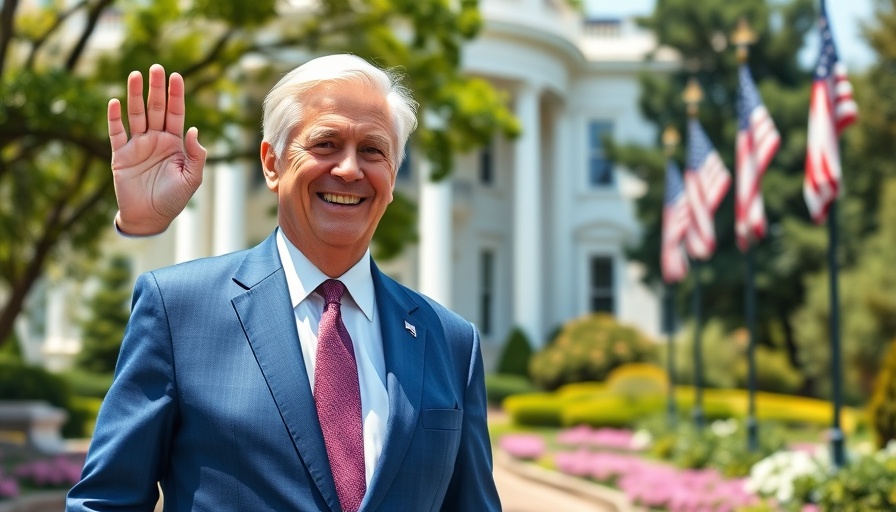
Man in blue suit at government event; unrelated to measles outbreak.

The Measles Crisis in West Texas: A Dire Situation

West Texas is grappling with a significant public health crisis as measles cases surge, nearing the alarming total of 500. Tragically, this outbreak has led to the fatalities of two children, highlighting the severe impact of vaccine hesitancy and misinformation. Health authorities are urging immediate action to prevent further loss of young lives in a region where vaccination rates are distressingly low.

Understanding the Implications of Vaccine Hesitancy

The situation in West Texas serves as a stark reminder of the devastating consequences of vaccine hesitancy. Many parents, influenced by outdated or misleading information, choose against vaccinating their children. As public health officials point out, failure to vaccinate not only puts unvaccinated children at risk but also jeopardizes community immunity. Reflecting on this dire reality, Dr. Anna Lee, a local pediatrician, emphasizes that "Vaccination is not just a personal choice—it's a responsibility to protect our community. When we allow misinformation to dictate our choices, we risk the health of everyone around us."

Real-World Impact: Cases on the Rise

This outbreak has seen an exponential increase in cases, as healthcare workers scramble to respond to the surge. Local health departments, struggling against logistical hurdles and resource limitations, are conducting vaccination drives in hopes of controlling the outbreak. The deaths of the two children have ignited a wave of concern among local business leaders and community members, sparking discussions on improving vaccination outreach efforts and access.

Future of Public Health: Lessons Learned

The ongoing outbreak not only underscores the immediate need for vaccination but also serves as a catalyst for broader conversations about public health policies in Texas and beyond. Experts argue that sustained efforts in public education, consistent messaging about the importance of vaccines, and accessible healthcare services are essential for preventing future outbreaks. As the situation evolves, many in the business community are recognizing the importance of corporate responsibilities in public health, advocating for employers to support employee vaccinations and health education initiatives.

Call to Action: Community Responsibility

To combat this alarming outbreak and prevent further tragedies, we must rally together as a community. Businesses and individuals alike have a role in advocating for vaccination and sharing accurate information. Engaging with local health initiatives and supporting vaccine campaigns is essential to protecting not only our children but the entire community. Knowledge is power—take the time to educate yourself and others on the benefits of vaccines.

Business News

3 Views

0 Comments

Write A Comment

*
*
Related Posts All Posts
11.30.2025

Netanyahu Requests Pardon: A Controversial Step Towards National Unity

Update Netanyahu’s Pardon Request: A Push for Unity in Polarizing TimesIn a move that has stirred the pot of Israeli politics, Prime Minister Benjamin Netanyahu has formally requested a pardon from President Isaac Herzog concerning his ongoing corruption trial. Having been embroiled in legal controversies since 2019, Netanyahu argues that the criminal proceedings against him are hampering his ability to govern effectively.Netanyahu, who maintains that he is innocent of the charges—ranging from bribery to breach of trust—has emphasized that receiving a pardon could nudge the nation toward necessary reconciliation. In a statement, he expressed hopes that such a step would diminish societal rifts and allow him to focus on critical governance instead of frequent court appearances, which he described as "impossible demands." The Legal and Political TerrainNetanyahu's legal woes stem from three related cases. He faces allegations of illicitly receiving gifts from wealthy friends, trading regulatory favors for positive media coverage, and using his office to gain sympathetic treatment from influential businessmen. Throughout this period, he has consistently rejected the charges, labeling them as politically motivated witch hunts. His recent video message to the nation reiterated his stance, stating that the cases against him are weakening the very fabric of Israeli democracy.This situation has drawn a clear divide between Netanyahu and his political opponents. Figures such as Yair Lapid, leader of the opposition, argue that the prime minister should admit guilt and step down before being granted any clemency. Such perspectives underscore the complexities surrounding his request for a pardon. While some in Netanyahu's Likud party support his appeal, many others view it as a detrimental step away from upholding the rule of law.International Influence and Internal DissentThe situation is further complicated by external influences. Earlier this month, former U.S. President Donald Trump reached out to Herzog, advocating for Netanyahu's pardon. Trump’s involvement, which reflects the intertwining of Israeli and American political landscapes, becomes a focal point in public discussions regarding the legitimacy and motivations behind the request. Observers note that the relationship between Netanyahu and Trump could sway perceptions both domestically and abroad.A pardon in Israeli law has rarely been granted without a final conviction, which adds a layer of difficulty to Netanyahu's case. However, legal experts point out that the president holds the authority to act in the public interest, particularly in extraordinary circumstances. As Herzog’s office begins evaluating the pardon request, the implications of such a decision loom large, indicating that it could resonate throughout Israeli society and politics.Public Sentiment and Future ImplicationsPublic opinion regarding Netanyahu's request remains sharply divided. While some view the potential for a pardon as a necessary step toward healing national wounds, others fear it could erode public trust in governmental processes and the judiciary. The past few months have seen tens of thousands of citizens take to the streets in protest against proposed judicial reforms, reflecting the broader societal unease over the health of Israel's democracy.Any decision on the pardon could lead to further unrest, with Netanyahu's critics rallying against perceived preferential treatment for the prime minister. Netanyahu's strategy to conflate national interest with personal mitigation raises questions about the ethical implications of political maneuvering in sensitive times.Conclusion: Navigating Complex WatersThe forthcoming decision on Netanyahu’s pardon will undoubtedly shape the landscape of Israeli politics for years to come. As leaders and citizens alike reflect on this pivotal moment, the balance between personal accountability and national stability hangs in the air. Regardless of the outcome, the intricacies of Netanyahu's situation serve as a testament to the challenges that beset democratic institutions amid crises.Calls for unity and reconciliation are profound during these contentious times, but the path toward achieving these goals may depend on the actions taken by both Netanyahu and President Herzog in the days to come.

11.30.2025

OpenAI's Competitive Edge: Insights on Ramping Up AI Innovation

Update OpenAI Faces Stiff Competition as Rivals Gain Momentum OpenAI is at a pivotal moment in its journey as leaders in artificial intelligence. Following a monumental $10 billion funding boost, the organization has positioned itself to accelerate AI innovations. This financial strength is significant not just for OpenAI, but also for the broader AI industry. As resources flood in, the company has the power to revolutionize technology and redefine the competitive landscape, making it crucial for stakeholders and observers to understand the implications of this shift. The Competitive Landscape is Rapidly Shifting The injection of capital into OpenAI stands to reshape the competitive dynamics of the AI sector. With competitors like Microsoft, Google, and emerging startups now pushed to be more innovative and agile, the entire ecosystem feels the pressure. OpenAI's resources enable it to accelerate the pace of new model releases, which is likely to prompt a flurry of activity from rivals aiming to keep pace. For consumers, this translates to access to more advanced tools and technologies, ultimately enhancing everyday experiences. Leveraging Cloud Infrastructure for an Edge OpenAI recently established a colossal seven-year partnership with Amazon Web Services, worth $38 billion. This agreement secures OpenAI immense compute capacity that will enable more advanced AI models capable of groundbreaking tasks in multiple sectors. Access to state-of-the-art technology means that OpenAI can train complex models more efficiently, a necessity in fast-paced sectors like finance, healthcare, and autonomous driving. The competitive advantage this agreement provides is vast and outlines a future where AI tools are more capable than ever before. Talent Acquisition: The New Battleground The AI labor market is about to heat up, as companies jockey for top talent in a landscape where skilled professionals are already in short supply. With billions to back its hiring efforts, OpenAI stands to attract some of the brightest minds in the field, intensifying competition across tech. This scenario presents both challenges and opportunities for smaller firms looking to innovate and grow. The impending talent war brings the question: how can companies position themselves to secure the best talent? Regulatory Challenges Ahead As OpenAI solidifies its standing within the industry, it also steps into the complex realm of AI regulation. Governments worldwide are struggling to keep pace with AI advancements, raising ethical and regulatory implications. OpenAI’s financial prowess positions it to influence these governing policies. Striking a balance between nurturing innovation and ensuring ethical applications of AI is crucial, and OpenAI must navigate these waters deftly in the coming years. Looking to the Future: Predictions and Opportunities As OpenAI continues to advance its agenda with significant funds, investors, consumers, and competitors alike must consider what lies ahead. The AI race is likely to accelerate, characterized not only by fierce competition but also by unprecedented advancements that could radically change industries. New partnerships and mergers among AI startups might emerge as smaller firms seek alliances to thrive amid increased pressure. The next few years promise to be transformative, making it imperative to stay informed about trends and developments shaping this industry. Conclusion: The Importance of Staying Informed In this rapidly evolving tech landscape, understanding the implications of OpenAI's financial moves and strategic partnerships is key for stakeholders. From potential startup collaborations to heightened competition and regulatory challenges, every facet of the AI landscape is affected. As consumers and investors, staying attuned to these developments can aid in making informed decisions moving forward. Therefore, engage with the latest reports and analysis to ascertain how these shifts may impact the economy and society at large.

11.30.2025

Swiss Voters Reject 50% Inheritance Tax: Implications for Business and Climate

Update Swiss Voters Stand Firm Against Wealth Redistribution In a decisive demonstration of opinion, Swiss voters overwhelmingly rejected a proposal to implement a 50% inheritance tax on bequests exceeding CHF 50 million ($61.8 million). The recent ballot, which took place on November 30, 2025, also saw the citizens turning down an initiative aimed at establishing compulsory civic duty for all Swiss residents. The Proposal and Its Supporters The inheritance tax initiative was propagated by the Young Socialists, a youth branch affiliated with the Social Democrats, who argued that wealth inequality not only threatens democratic integrity but also exacerbates climate change. Proponents claimed that the funds collected from this levy would support environmental initiatives, targeting the disproportionate impact wealthy individuals have on global warming. Despite these points, the proposal faced substantial resistance from multiple political factions and the business community, who voiced concerns over the risk of capital flight and disruption to the already fragile economy. Opposition's Concerns The opposition — including government officials and business leaders — critiqued the tax as a potential hindrance to economic stability. Finance Minister Karin Keller-Sutter referred to the proposed tax rate as “close to expropriation,” echoing fears that wealthier citizens may relocate their assets or themselves out of Switzerland. This resistance was highlighted by a prior poll indicating that only 32% of voters favored the idea of an inheritance tax. A Glimpse into Swiss Taxation Practices Interestingly, this failed initiative was not an isolated attempt; it echoes previous attempts to introduce similar tax structures in the country, including a national inheritance tax proposal that was rejected in 2015. Switzerland's unique approach to taxation can be seen in its decentralized structure, where cantons impose their own rates. This has led to considerable variations in inheritance taxes across the nation, making the potential introduction of a federal tax a major topic for debate. As it stands, Switzerland is one of the few OECD countries lacking a federal inheritance tax, relying instead on local and cantonal policies, which can differ immensely. Voters Say No to Civic Duty Alongside the inheritance tax, voters also dismissed the initiative that proposed a mandatory civic duty for Swiss citizens. Initially supported by a segment of left-leaning voters, the proposal ultimately suffered from rising skepticism. Surveys indicated a significant decline in support leading up to the vote, with a 64% majority planning to reject the idea just days before the polling date. Opponents expressed concern that compulsory service would disproportionately burden women, who already engage substantially in unpaid labor. The Broader Implications: Wealth Disparity and Climate Change While supporters of the failed inheritance tax pointed to wealth inequality and climate issues, such discussions raise broader questions about how societies respond to environmental crises. Wealthier individuals often have larger carbon footprints, and their ability to pay taxes could contribute significantly to societal measures against climate change. This rejection sends a strong message about balancing economic concerns and the necessity of tackling climate challenges, a debate likely to continue in the Swiss political arena. A Call for Civic Engagement The outright rejection of civic duty indicates a level of disengagement or reluctance amongst citizens towards enforced participation. This could further spur discussions on voluntary forms of civic involvement that encourage social responsibility without statutory obligations. Moreover, as climate change and social inequality manifest as growing concerns around the globe, Switzerland's decision presents a microcosm for larger, international debates regarding wealth distribution and environmental stewardship. Conclusion: What Lies Ahead? With the recent outcomes shining a spotlight on Swiss perspectives on wealth and civic participation, the nation stands at a crossroads. While the voters have made their choice, the implications for tax policies and climate initiatives will undoubtedly reverberate through policy making. As wealth disparities continue to rise globally, Switzerland's approach remains a unique study of balancing economic viability with the pressing need for social and environmental responsibility.

Terms of Service

Privacy Policy

Core Modal Title

Sorry, no results found

You Might Find These Articles Interesting

T
Please Check Your Email
We Will Be Following Up Shortly
*
*
*