Add Row
Add Element
cropper
update
Bay Area Business
update
Add Element
  • Home
  • Categories
    • Business News
    • Retirement Planning
    • Investing
    • Real Estate
    • Tax Planning
    • Debt Management
    • Bay Area Business Spotlight
    • Tech Industry Trends
    • How I got started
    • Just opened
    • Sustainability and Green Business
    • Business Financing
    • Industry Spotlights
    • Bay Area News
    • Bay Area Startups
  • AI Business Tech
8 Minutes Read

From Marketing to Memory Keeper: How Donna Pullan Built Legacy Photos and Stories Organizing Life's Precious Moments


Ever feel like your memories are scattered like leaves in the wind – old photos tucked away in dusty albums, digital files lost in the cloud, and family stories fading with time? Donna Pullan, the founder of Legacy Photos and Stories here in Novato, California, understands this feeling intimately. Her journey from the corporate world to becoming a sought-after photo organizer is a testament to identifying a universal need, embracing an entrepreneurial spirit, and the profound satisfaction of helping people preserve their most cherished moments. Get ready to discover how Donna built a business by bringing order and accessibility to life's beautiful chaos.

A New Chapter Unfolds: Donna's Entrepreneurial Path

Donna's professional life began far from the world of family photos. With a solid background in corporate insurance, she spent years at Chubb in New York before being recruited by Fireman's Fund, a move that brought her to California. However, a twist of fate during her maternity leave led her down a different path. "While I was out on maternity leave, I happened to be one of the departments at Fireman's Fund that was eliminated, and I started looking for a business to start that I could work from home." This pivotal moment sparked her entrepreneurial journey.

Her first venture was a greeting card marketing company, a business she ran successfully for many years, finding a niche with mortgage companies and regional mortgage brokers. But the 2008 mortgage crisis brought unforeseen challenges, forcing her to reconsider her next steps. "When the mortgage crisis hit, my niche collapsed, so then I started looking for my next business idea."

It was her own personal experience that sparked the idea for her current venture. Like many of us who embraced the digital age, Donna found herself overwhelmed by the sheer volume of photos. “I had taken up photography as a hobby, and like anyone with a digital camera, I took way too many pictures. I didn’t know the best way to organize them—my family stuff, my artsy stuff—or how to properly back them up or share them.” This relatable struggle led her to research solutions, and she stumbled upon the concept of photo organizing businesses.

Drawing parallels to the well-established home organizing industry, Donna recognized a unique niche. "In a sense this is a unique niche within home organizing." With her inherent entrepreneurial drive, she developed a business plan and reached out to her network in Marin County. One of her very first projects was deeply meaningful, helping a local family organize the photos of their son who tragically passed away on September 11th. “They had this huge box of all his photos from childhood and college. They’d planned to make a Celebration of Life book, but they just couldn’t do it…it was too emotional, too hard to even start. So that ended

up being one of my first big projects.” This experience underscored the emotional weight often associated with unorganized memories and the profound impact her services could have.

Word spread, and soon Donna was receiving referrals for larger, more complex projects—from estates filled with decades of history to families wanting to preserve their legacies for future generations. She launched her business at an opportune time, just as genealogy research was booming and digital photos were flooding in. “I feel very lucky because I started it about 10 years ago, when people were really getting into genealogy as a hobby and using services like Ancestry.com and 23andMe… and then with cell phones, people were taking zillions of photos. They got completely overwhelmed—with the old stuff, the new stuff, how to combine it, how to weed it out, and like I said before, how and where to back it all up.” This perfect storm created a growing demand for Donna’s unique skills.


Navigating the Twists and Turns: Overcoming Challenges

Donna's journey wasn't without its pivots and learning curves. Transitioning from the structured corporate world to the autonomy of entrepreneurship required adaptability and resilience. The shift from her greeting card business due to the unpredictable economic climate taught her the importance of choosing a business with enduring relevance.

A significant aspect of Donna's work involves navigating the emotional landscape of her clients. Dealing with inherited items often brings feelings of guilt and overwhelm. “A lot of people come to me totally overwhelmed. They’ll say, “I inherited all this stuff from my parents, and I feel so guilty that I haven’t done anything with it. What am I supposed to do? How do I even start?’” Donna’s ability to empathize and offer a clear, practical path forward is key to her success. “I go in and say, ‘It’s not as bad as you think. Here’s how I’m going to tackle it,’ and then I show them, ‘This is what it’s going to look like when we’re done.’ And they’re like, ‘Perfect!! Let’s do it.’”

In a market with increasing awareness of digital solutions, Donna has successfully carved out a niche by offering a premium, personalized service that goes beyond just scanning. While acknowledging the existence of competitors, she focuses on the value she provides to her specific clientele.

Lessons from the Vault: Innovative Practices and Key Learnings

Donna's success is rooted in several key practices and insights. Early on, she recognized the widespread need for photo organization. "I immediately thought if I need help doing this, other people will need help, too." By focusing specifically on this niche within the broader home organizing market, she positioned herself as an expert.

A pivotal element of Donna’s strategy has been working with families who value their history and want to preserve it the right way. "Here in Marin, I’ve developed a niche working with

people who have large collections of photos and memorabilia. They want it preserved, but they don’t always know how to properly archive it." These clients appreciate her expertise, attention to detail, and the discretion she brings to deeply personal projects—sometimes even requiring NDAs. "They’re often looking for someone they can trust to just take it off their plate—and do it right."

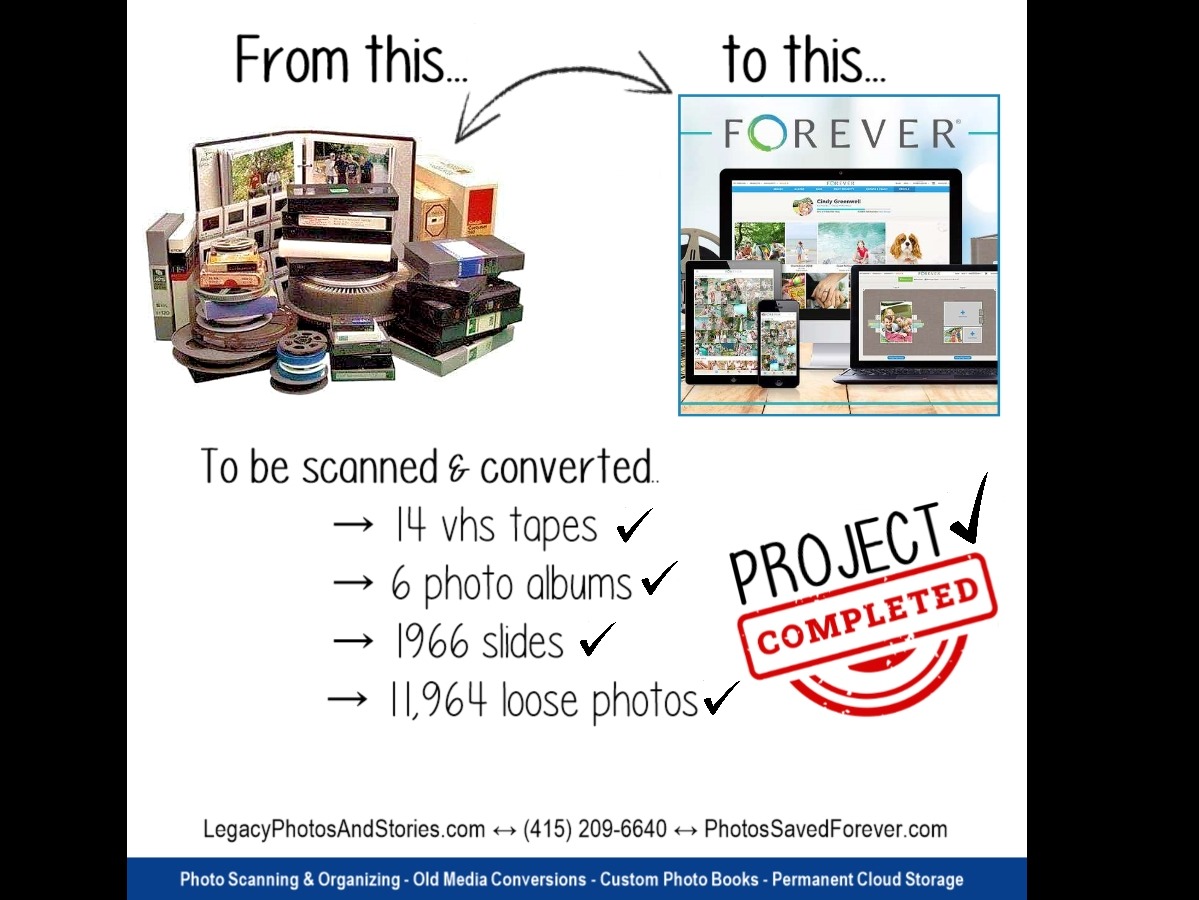
Donna’s approach is holistic—she doesn’t just scan photos; she offers a complete end-to-end memory-keeping solution. “Anybody can scan a photo or two, but can you scan ten thousand? Do the basic edits and color correction? Rename the files, back them up in three places, upload them to the cloud, and organize them the way the family wants? My goal is to create a photo archive that’s easy for my clients to view, share, and enjoy—now and for generations to come.” This comprehensive service justifies her premium pricing. “I charge a bit more than the industry standard because you’re getting me—a photo management and digitization expert—and I do it all.”

One of Donna's most effective sales tools is her own meticulously organized digital vault. "My best sales tool is my own vault. I show people how I have all my photos, videos and memorabilia organized... and once they see that they say, “okay, that's what I want." This tangible example demonstrates the value and clarity she can bring to her clients' overwhelming collections.

Standing Out from the Crowd: Donna's Unique Approach

Several factors differentiate Donna's photo organizing business:

· Niche Expertise: Her specialization in photo and memorabilia organization sets her apart from general home organizers.

· High-Touch Service: She provides personalized attention and understands the emotional significance of her clients' memories.

· Comprehensive Solutions: From physical item handling to digital archiving and cloud storage, she manages the entire process.

· Discretion and Trust: Essential when handling personal family materials—especially for public figures or clients with privacy concerns.

· Focus on Legacy: She helps families not only enjoy their memories now but also ensure they are preserved for future generations.

Her long-term client relationships are a testament to the value she provides. "Most of my engagements with my clients are very long-term." Clients often start with one project, like scanning old photo albums, and then expand to other areas as they experience the benefits of her organized approach. “Once they get started, people start getting excited—seeing their vault start to fill up and their photos finally getting organized really motivates them.”

Preserving Your Past: Advice for Aspiring Entrepreneurs

Inspired by Donna's journey into the world of memory keeping? Here's some valuable advice drawn from her experiences:

· Identify a Genuine Need: Donna's business addresses a common pain point – the overwhelming nature of unorganized memories. Look for services that solve real problems for people.

· Find Your Niche: By specializing in photo organizing, Donna distinguished herself in the broader home organizing market. Consider how you can focus your expertise.

· Understand Your Ideal Client: Donna's success comes from knowing her clients deeply—what overwhelms them, what they value, and how they want to experience their memories. Defining your audience and designing services around their real needs is key.

· Offer a Complete Solution: Don't just provide a single service. Think about the entire process and how you can make it seamless for your clients.

· Build Trust and Empathy: Especially when dealing with personal and sentimental items, building a strong rapport with your clients is crucial. Acknowledge their emotional connection to their belongings. "Make me feel comfortable that my stuff is protected. Make me feel like you care about this as much as I do."

· Focus on the "Done For You" Aspect: Many people are overwhelmed by the thought of organizing their memories. Emphasize the convenience and time-saving benefits of your service. "People are our age. They just want the [work] done. Yeah. Just get it done."

· Don't Get Lost in the Technical Details: While understanding the technology is important, the focus should remain on the client's needs and providing a user-friendly outcome. "They get too wrapped up in the tech side... but at the end of the day, they just want it done.”

A Legacy of Memories: Finding Meaning in Organization

Donna Pullan's story is more than just a business success; it's about the profound impact of preserving personal histories. By bringing order to the overwhelming world of photos and memorabilia, she provides her clients with peace of mind, accessibility to their cherished memories, and the gift of a legacy for future generations. Her journey from the corporate world to becoming a trusted memory keeper in Novato is an inspiring example of how identifying a real need and providing a valuable service can lead to a fulfilling and meaningful entrepreneurial path. So, what memories are waiting to be organized and shared in your life? Perhaps Donna's story will inspire you to take that first step.

While some of her clients have extensive collections, Donna emphasizes that anyone with a lifetime of photos—and no time or system to manage them—is a perfect fit. “Whether it’s a mom who wants to get a handle on years of family albums or a retiree sorting through travel memories, the feeling is the same: Where do I even start? That’s where I come in.”

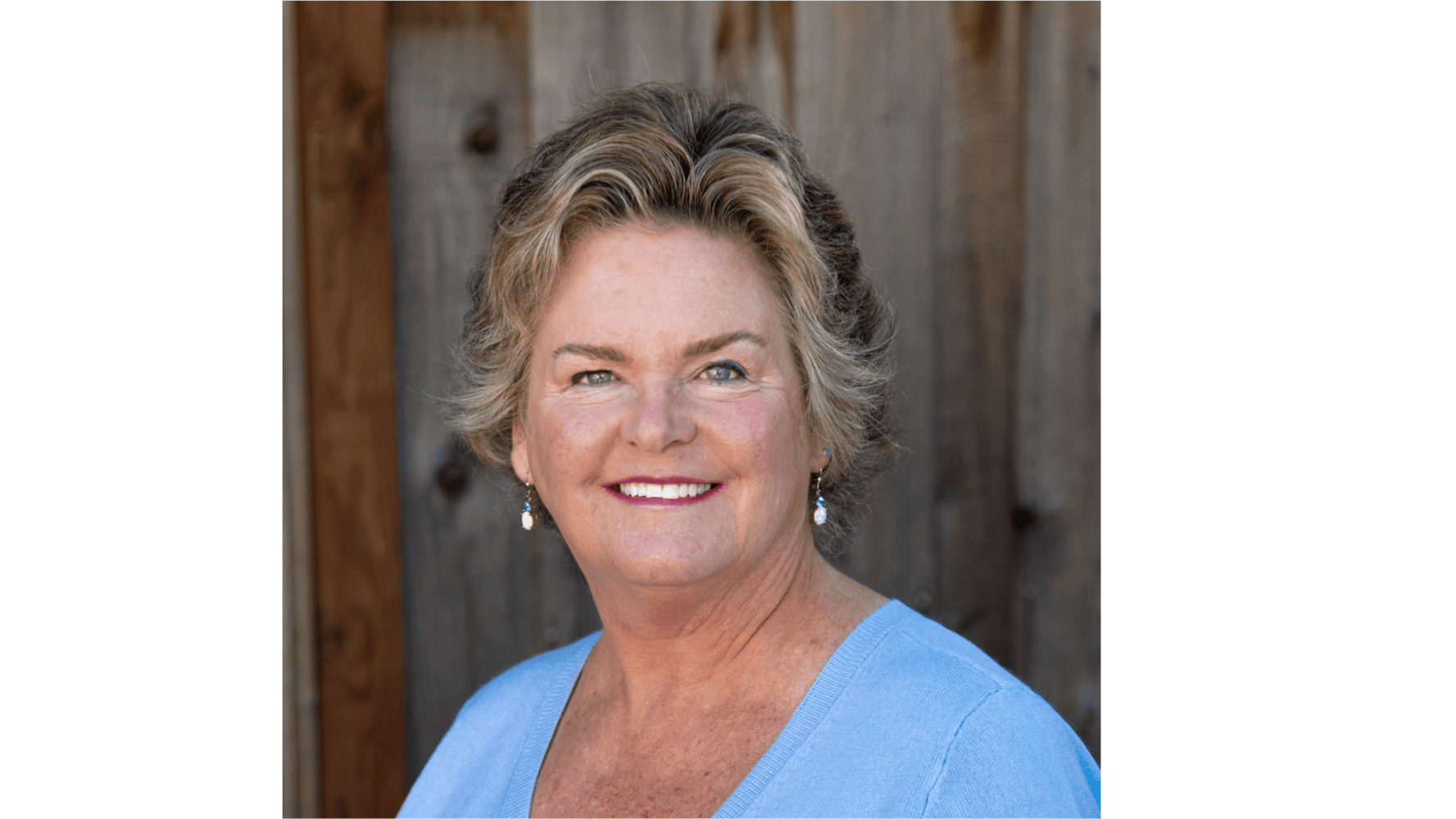
Donna Pullan is the founder of Legacy Photos and Stories, a boutique photo organizing and digitization service based in Novato, CA. She helps families rescue their memories from dusty boxes, forgotten devices, and digital chaos—turning them into beautifully organized photo books and permanent online galleries.

When she’s not sorting through decades of photos, Donna’s either on a pickleball court, behind a camera, or cruising to a car show with her husband Brent’s latest favorite ride.

Donna Pullan can be reached at: Phone 415-209-6640 or email donna@donnapullan.com


Bay Area Business Spotlight

201 Views

2 Comments

Write A Comment

*
*

rhVtbJGUBcrWnsyncOj

11.25.2025

WYQfkbbAYboCZDmRygjdkdbe WYQfkbbAYboCZDmRygjdkdbe

AQHEusiFUNkCvkcdiDAjnNeE

11.18.2025

gbgpDfvMJYIwngXYFwpT gbgpDfvMJYIwngXYFwpT

Related Posts All Posts
10.17.2025

Pursuing Excellence in Timekeeping: Barry Cohen and the Story of ProTek Watches

“After 27 years with Luminox, and becoming more and more disillusioned with my partners' view of priorities for the brand, it felt like the right time for me to move on. I had other watch brands running concurrently (Official Watches of the Hawaiian Lifeguards, Szanto Vintage watches, and Szanto ICONs Collections), and continued with the Szanto vintage brand, which will get a big expansion for 2026. I also launched a couple of ‘cause' brands for the purpose of giving back by donating portions of the sale proceeds to organizations tied to those brands, but these were not very fulfilling, so I closed them out." Cohen explained, recalling his departure from Luminox after 27 years. “I realized I missed the category of timepieces I helped to create - tactical and sport watches, with a superlative self-powered tritium illumination technology, so I decided to jump back into my lane and create ProTek, with the desire to produce the best quality I could deliver, to pursue perfection with the hope of arriving at excellence.”That mindset became the cornerstone of ProTek, the brand Cohen founded in early 2022, and first shipped watches in fall 2022From Luminox to a New BeginningCohen’s roots in the watch industry stretch back to 1984, when fashion watches from Swatch, Guess, and Fossil were reshaping consumer trends. But it was his vision to introduce self-powered illumination—originally a military technology—into consumer watches that changed his career trajectory. Partnering with a colleague, he co-founded Luminox, bringing tritium illumination to the market and setting a new standard for tactical and durable timepieces.While Luminox grew into a globally recognized brand—boosted by relationships with the U.S. Navy SEALs and appearances in iconic mail-order catalogs—Cohen ultimately stepped away. As can sometimes be the case, ideological differences with partners led to his decision to leave in 2016. He considered retirement, but he ultimately decided to return, determined to create something truer to his values. The Birth of ProTekAfter experimenting with other ventures, Cohen realized he needed to return to what he knew best: tactical-inspired, tritium illuminated sport watches. The result was ProTek, a brand built around the same tritium illumination technology he pioneered, but with a renewed commitment to quality and design.“This is truly a startup,” Cohen admitted. “For two and a half years, I lost money every single month… but the good news is the last six months, we’re not losing money and the accounts that have us are telling us they’re starting to see an uptick. In fact, just today, I got two messages from England telling me they are seeing buzz around the brand that did not exist before.”ProTek is an amalgam of global craftsmanship:American brand visionSwiss design and illumination technologyJapanese movements for durability and precisionAssembly in a Hong Kong cleanroomCohen emphasizes that it’s not where a watch is made, but how it’s made. “In other words, a watch need not be Swiss-made to be well-made - there’s also excellence [in Asia] if you just ferret it out,” he explained.Why Illumination MattersAt the core of ProTek’s identity is its lume technology, which sets it apart in a crowded marketplace. Unlike traditional photoluminescent paint, ProTek’s self-powered borosilicate glass tubes glow continuously for up to 25 years without requiring an external light source to "charge" the lume. “There are thousands of watch brands out there, but there are only eight or so of any consequence that use this lume technology,” Cohen noted. “Without this, I wouldn’t even be doing this, and probably would have retired.”This unique feature allows ProTek to shine—literally and figuratively—in a space where brand recognition is everything. Building a Brand in Today’s MarketCohen is candid about the challenges of establishing a new watch brand in today’s retail environment. A conglomeration of retail stores and retail closures have changed the retail landscape.  Where department stores once sought differentiation, often with unique stock mixes in different stores, now they operate with cookie-cutter merchandise. To gain retail placement, consumer demand must come first.“It takes time to establish a brand,” he said. “In the old days, you’d get into a store and build recognition from there. Today, it’s reversed—you need consumer desire first for the store to take the gamble, and give new or emerging brands a chance.”Despite these challenges, Cohen sees growth ahead. ProTek has expanded from its original 19 models to around 55, now offering both quartz and automatic mechanical options. The brand has also secured partnerships, including a United States Marines collection in four series currently, but to celebrate the 250th birthday day of the USMC (November 10), ProTek is releasing 5 new models in two case sizes for the holidays, some with MARPAT digi camo dials (as seen on their uniforms), and of course some with basic black dials too.  ProTek is also working on potential collaborations with the Mexican Army and the Philippine military as well.  The Road AheadFor Cohen, the future isn’t about building a massive empire—it’s about creating a sustainable, respected brand that resonates with its customers.“I don’t have any illusions of grandeur here. This doesn’t have to become a 40, 50 million dollar business,” he said. “If we’re doing a couple million dollars a year, I’m happy. That’s a nice little business—making a product for people that appreciate the heart, the sweat, the effort, the design, the quality that went into creating our timepieces.”And the feedback has been resoundingly positive. From industry experts to longtime collectors, ProTek is already being recognized for its build quality and value. “We’ve had certified watchmakers tell us we offer the best value in tritium illuminated watches on the market, and state our build quality is outstanding.” Cohen shared proudly. A Lifetime of Timekeeping, and Still GoingAt an age when many peers have retired, Cohen remains deeply invested in his craft. He sees ProTek not just as a brand, but as a mission to keep moving forward.“How many times do you hear John Brown retired and five months later, John Brown died?” he asked. “I think we’ve got to keep moving… perhaps to the consternation of my wife, who said, ‘Why don’t you just retire?’ I like to keep going, and that’s a reason for doing what I’m doing.”Go to www.protekwatch.com to peruse the full array of ProTek brand watches. ProTek is offering a special 30% discount to the readers of Bay Area Business on any ProTek watches. Just use the code “BAB” at checkout on our website.

09.19.2025

Jennifer Brown and Chapter Coffee: Crafting Connection, One Cup at a Time

By James Lamont, Novato, CA Brewing Connection: Jennifer Brown’s Journey with Chapter CoffeeFor Jennifer Brown, coffee has never been just a drink. It has always been an experience — a connection to memory, culture, and community. Today, as the founder of Chapter Coffee, she is building a brand that blends craftsmanship with meaning, bringing people together over something as simple — and profound — as a cup.From Cultural Exchange to Coffee RoastingBefore starting Chapter Coffee, Jennifer spent years in the world of cultural exchange, welcoming international visitors to the United States. It was rewarding, but when the pandemic reshaped industries and regulations shifted, the work that once brought joy began to feel heavy.“I realized it was time for a new chapter,” she says. And that’s how the seed for Chapter Coffee took root.Coffee had always been a passion — the aroma from her childhood kitchen, the first sense of adulthood that came with diner coffee, and the comfort of sharing a warm mug with someone else. What started as a long-held idea became a business.Learning the Craft from the Ground UpJennifer didn’t want to simply sell coffee. She wanted to understand it. That meant starting at ground zero: roasting.She apprenticed herself to the craft, working with master roasters, visiting farms, and immersing herself in the science and art of coffee. From understanding soil health and plant challenges to tasting the sweetness of fresh coffee cherries on a Colombian farm, she built knowledge that few new roasters can claim.Her approach mirrors that of a winemaker: roast for yourself first, then share with others. Each bag of Chapter Coffee is roasted by Jennifer herself in Oakland, where Sundays are dedicated to the meditative rhythm of the roaster. Exceptional Coffee for EveryoneChapter Coffee’s guiding philosophy is simple: exceptional coffee is for everyone. While specialty, third-wave coffee can sometimes feel exclusive or intimidating, Jennifer believes in creating a brand that is approachable and welcoming.Her coffees are carefully sourced and roasted to highlight quality without pushing into inaccessible price points. “The experience can feel luxurious,” she explains, “but the coffee itself should be available to everyone.”Beyond the Cup: Building ExperiencesChapter Coffee isn’t just about what’s in the bag — it’s about what happens after you brew it. Jennifer partners with hospitality groups and businesses to design coffee experiences that go beyond convenience. Whether it’s pour-over sachets for hotel rooms, coffee flights for tastings, or mocktail menus for restaurants, she’s reimagining how coffee can create moments of connection.Through her podcast, Connection Over a Cup, she extends this mission even further, interviewing everyday people and community builders who are fostering human connection in unique ways. Looking Ahead: A California DreamThough Chapter Coffee is young — officially launched in mid-2025 — Jennifer has a clear vision. Over the next five years, she hopes to expand across California with a mix of flagship spaces and coffee trailers designed to bring quality coffee to smaller communities.Her dream is not to dominate the coffee world, but to create meaningful pockets of community where coffee is a catalyst for connection.A New Chapter, One Cup at a TimeFor Jennifer Brown, coffee isn’t a commodity — it’s a story. Every bean carries the work of farmers, the art of roasting, and the joy of sharing. With Chapter Coffee, she is writing a new chapter of her own life — one that invites everyone to slow down, savor, and connect.Because sometimes, the simplest things — like a cup of coffee — hold the richest meaning.To reach Jennifer, and Chapter Coffee, visit them at chaptercoffee.com

09.19.2025

Global Masters of Industrial Filtration: Steve Benesi’s Mission to Save the World

By James Lamont, Novato CA From Startup Troubleshooter to “Save the World” Inventor: The Unlikely Journey of Steve BenesiIf you ask Steve Benesi what he does, you won’t get a tidy elevator pitch. You’ll get a story—equal parts grit, invention, and a stubborn refusal to accept “good enough.” Benesi is the mind behind PneumaPress and, later, the Universal Vacuum Filter (UVF) at FM Technologies, systems designed to make industrial filtration radically simpler and dramatically more efficient. As he puts it: “Our goals all these years have been to outperform anything that exists by 10 times or more, by a magnitude or more.” His career spans critical nuclear-plant inspections, geothermal circuit test runs, and a global push to reimagine how we separate solids from liquids—the unglamorous backbone of mining, chemicals, and food processing.Along the way, he’s kept a north star: “That’s my job - I have to save the world.”Roots of a Researcher—and a RebelInnovation is practically a family pastime. “My father was with Einstein at Princeton, and my father was chosen first for the Manhattan District group of 25 top scientists, which became the Manhattan Project.” His brother led NMR research across major universities. Benesi jokes that he’s the “simple engineer,” but his path reads like a field guide to hands-on problem solving.After college, he worked as a nuclear power plant inspector—testing and certifying welders, scrutinizing critical nuclear containment weldments and penetrations, and learning to be exacting under pressure. Then came the 1980s, when he crisscrossed factories as a startup and troubleshooting engineer for industrial filtration. That ground-level exposure seeded a belief he still holds today: fieldwork reveals what theory can miss. The Parking-Lot Bet That Changed EverythingBy 1989, Benesi had gone out on his own. He developed new filter media and invented PneumaPress, which he describes unequivocally: “I developed and patented filter medias and invented PneumaPress filters. And at that time, it was the world's simplest and most effective automatic pressure filter.”Money was tight. Determined to prove the concept, he built a pilot unit and, thanks to friends at a Southern California geothermal plant, took a moonshot. “Friends that actually worked at the plant who told me, come down here, bring your filter down here and sit in the parking lot and refuse to leave until they install it and test. And so that's exactly what I did.” A few weeks later: “Within about six weeks, I had my first purchase order, and it was for a million dollars.”That first install opened doors—multiple follow-on units at the geothermal site, then a call from Kennecott Utah Copper that led to filtration systems for hydrometallurgical operations. Soon, food and starch processors discovered PneumaPress could simplify flowsheets and eliminate downstream equipment. The filter moved from pilot curiosity to global workhorse. From Pioneer to President—and Back to the LabAs success mounted, so did attention. Benesi lists an alphabet of suitors—Baker Hughes, Larox, Dorr-Oliver, Outotec, Metso—and in early 2008, FL Smidth acquired PneumaPress. He became a president within FL Smidth Minerals, got a close-up of big-company machinery, and realized he still wanted to build.He left corporate life to tackle a different challenge: reinvent vacuum filtration. If pressure filtration “pushes” liquid out, vacuum filtration “pulls” it. But to Benesi, the real difference wasn’t force—it was fundamentals. He believed the entire mechanism could be reimagined. Inventing the Universal Vacuum Filter (UVF)FM Technologies was born in 2013. The breakthrough, UVF, wouldn’t fit any known box. “This is all new fundamental technology,” he says. “They can't associate it with a ceramic filter or other vacuum filters…it is nothing like they had previously perceived and they need to be introduced to it.”After thousands of tests, lab rigs in both California and Belo Horizonte, and a small commercial pilot, UVF started racking up performance wins. In side-by-side trials, the comparisons were blunt:“One square meter of UVF equals 10 to 20 square meters of another vacuum filter.” Against conventional filter presses, he often sees “an equivalent of 100 square meters” for every square meter of UVF area.Those numbers translate into smaller footprints, smaller budgets, and lower lifetime costs. “We have the smallest installation footprint… The CAPEX…is a small fraction of the conventional filters… And the OPEX…is very low.”Pandemic Setback, Global MomentumCOVID halted on-site work just as FM Technologies was ready to scale, but the team kept testing—shipping drums of slurry from around the world to their pilots in Novato and Brazil, refining geometry and media, and documenting results. As sites reopened, interest accelerated—especially from mining majors, which Benesi describes as “$150 billion a year-type group of companies.” Strict NDAs limit what he can share, but the arc is clear: installations, then bigger installations.The market noticed. “Today, fabricators of other vacuum filters and filter presses are finally starting to build UVF technology. Very, very big step. Large companies who supply others’ equipment will not be swayed until they start missing sales.”Benesi’s verdict is characteristically direct: “We really don't have any technical competitors or innovators that even come close.” A beat later, he adds, “We're the kings of actual ground-level filtration.” A Mission Larger Than MachineryBenesi’s ambition isn’t just efficiency. It’s environmental. “I'm a big pusher of Save the World, eliminating emissions, eliminating pollution streams, and promoting free energy.” He designed and built solar for his home and FM Technologies’ shop. More urgently, he wants to end tailings disasters by changing how mines handle waste.Instead of pumping slurries into massive dams that can fail catastrophically, he envisions tailings “stacked” in dense layers, then greened with plantings suited to the soil. With UVF delivering higher throughput and drier cakes, that vision becomes operationally plausible. The target he’s chasing isn’t a tagline. It’s outcomes: less water in waste, smaller footprints, safer sites, and landscapes that can heal.The People Part: New Blood and Endless CuriosityFor all the patents and pilot rigs, Benesi lights up most when talking about young engineers. FM Technologies launched a work-study program and now blends hands-on shop learning with digital modeling and AI. The mix is electric. “It's very, very inspirational. Everybody gets excited. I have to ask them to be a little bit calmer sometimes.”He’s just as candid about his own journey. He laughs about Chico State in the late ’60s, building Harleys with “coat hangers and O-rings and hose clamps,” and a long streak of independence. “I feel like I'm 17, I'm 17 and I'm running all the time.” He married later in life and has deep ties in Brazil, where he splits time, supports families, and continues to grow the company’s lab footprint. What Makes UVF Different (in Plain English)Most filtration systems rely on cloth or ceramics and incremental tweaks to long-established designs. UVF reworks the fundamentals—how fluid moves, how solids form, how surfaces interact—so each square meter does radically more work. In practice, that means:Higher throughput per unit area (10–20x vs. standard vacuum filters in many cases). Drier cakes make stacking and transport easier and safer. Smaller and safer plants with less steel, less power, and less maintenance. Fewer downstream steps, since UVF collapses processes that previously required multiple machines.Benesi’s favorite proof? Put the machines side by side. “The best way to see it is put the technology side by side. It's very dramatic.”What’s NextThe team is scaling commercial UVF units and extending the tech into UPF (another platform he’s hinted at but hasn’t publicly detailed). They’re deepening partnerships with global operators and training a next generation of hands-on inventors who can toggle between CAD models and welding masks.The goal remains audacious and disarmingly simple: filtration that erases waste. He’s blunt about industry rhetoric—“sustainable” without outcomes doesn’t move him—but optimistic about what better engineering can do.Why Steve Benesi Matters Right NowBecause heavy industry is where climate arithmetic turns real. Filtration sits in the critical path of mining, metals, chemicals, and food. If each step can be 10x better, plants get smaller, wastes get safer, and water and energy footprints shrink. Benesi has spent a career betting that the hard, physical work—prototype, test, repeat—can bend those curves. The record suggests he’s right.And if you ask him why he’s still pushing at 75, he’ll likely shrug, flash that mischievous smile, and circle back to where we started. “That's my job - I have to save the world.”Here’s to the builders in the parking lots—and to the breakthroughs that follow when they refuse to leave.To reach FM Technologies, you can call them at 415-897-4726 or visit their website at fmtechnologies.com

Terms of Service

Privacy Policy

Core Modal Title

Sorry, no results found

You Might Find These Articles Interesting

T
Please Check Your Email
We Will Be Following Up Shortly
*
*
*