Add Row
Add Element
cropper
update
Bay Area Business
update
Add Element
  • Home
  • Categories
    • Business News
    • Retirement Planning
    • Investing
    • Real Estate
    • Tax Planning
    • Debt Management
    • Bay Area Business Spotlight
    • Tech Industry Trends
    • How I got started
    • Just opened
    • Sustainability and Green Business
    • Business Financing
    • Industry Spotlights
    • Bay Area News
    • Bay Area Startups
  • AI Business Tech
March 21.2025
3 Minutes Read

EU Excludes US, UK, and Turkey from €150 Billion Rearmament Fund: What It Means

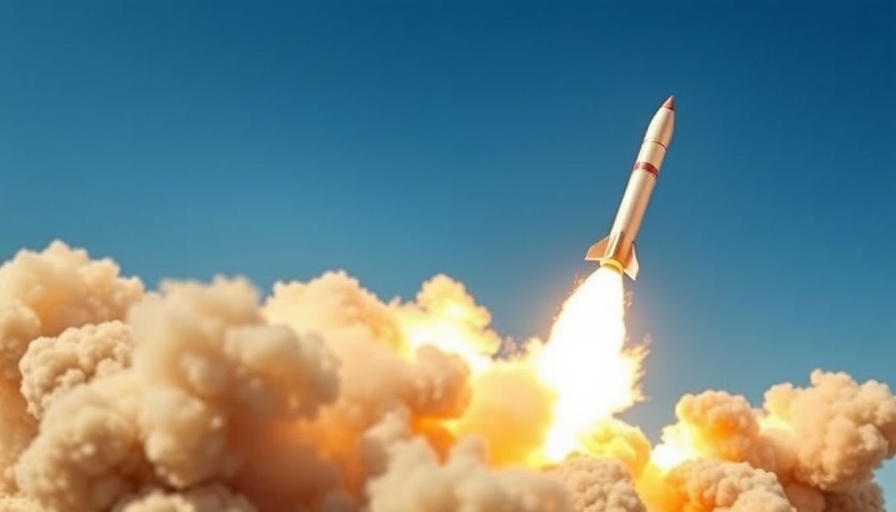
Missile launch illustrating EU rearmament fund exclusion.

EU's Major Shift: Exclusion of Key Allies

The European Union's decision to exclude the United States, United Kingdom, and Turkey from its ambitious €150 billion rearmament fund marks a historic shift in the global defense landscape. This move is seen as both a reflection of Europe's desire for autonomy in its defense capabilities, particularly in light of rising geopolitical tensions, and a potential catalyst for reinforcing its military strategy independent of traditional alliances.

The Implications of Excluding Key Allies

The exclusion of longstanding allies raises questions about future military collaboration. The EU has frequently relied on the US and the UK for support, both financially and technologically, especially concerning defense capabilities such as cybersecurity and advanced military technology. This strategic pivot may foster tensions between these nations, as they reassess their roles in global alliances.

Historical Context: A Growing Need for EU Defense Autonomy

This decision doesn’t emerge in a vacuum; it follows years of growing European defense ambitions. Since the establishment of the European Defence Fund in 2017, the EU has been incrementally taking steps to enhance its strategic autonomy. The EU’s drive was fueled by events such as Brexit and the changing dynamics of US foreign policy, particularly during the Trump administration, which questioned the value of NATO.

Future Predictions: What Lies Ahead for EU Defense Initiatives?

As the EU mobilizes this fund, future military collaborations within Europe may surge, as countries look to fill potential gaps left by US and UK expertise. Tech innovation in defense sectors could see a boost as member states may ramp up investment in domestic startups. The result? A more self-reliant Europe, focused on implementing sustainable defense practices that align with broader goals of corporate social responsibility.

Current Trends in Global Defense Spending

With global defense spending on the rise, countries are honing in on maximizing the efficiency of their military budgets. The European Union's substantial investment signals a broader regional commitment to not just military readiness, but also technological advancement, particularly against the backdrop of evolving threats such as cyber warfare and drone technology. This shift aligns with trends of sustainable business practices adopted by corporations aiming to minimize their environmental footprints while maximizing technical efficiencies.

A Local Perspective: The Bay Area's Impact on Defense Innovation

In the Bay Area, the tech industry's rapid evolution is not merely transforming consumer markets but is also becoming embedded in national security innovation. Local startups focusing on innovative technologies, such as artificial intelligence and cybersecurity, find themselves at the forefront of this budding shift towards independent European defense solutions. Thus, regional entrepreneurs can expect increased opportunities stemming from military contracts and funding focused on modernization.

How Businesses Can Prepare for this Evolving Landscape

As the situation evolves, businesses must remain agile and open to new partnerships. Understanding the implications of this rearmament fund can equip entrepreneurs and corporate leaders with insights to adapt their strategies. By focusing on technological collaboration and innovation, and forging partnerships with European defense initiatives, Bay Area startups can establish themselves as key players in this growing market.

Final Thoughts: The Path Ahead

This decision by the EU to exclude the US, UK, and Turkey from its €150 billion rearmament fund marks a new chapter in defense strategy, presenting opportunities for local businesses, especially in the tech sector. As we navigate these changes, it’s crucial for stakeholders to keep a finger on the pulse of both local and global trends impacting the defense landscape.

Business News

8 Views

0 Comments

Write A Comment

*
*
Related Posts All Posts
12.07.2025

Understanding Why the Trump Administration Waived Southwest Airlines' Fine

Update The Overview of the Fine Against Southwest Airlines In December 2022, a severe winter storm wreaked havoc on Southwest Airlines' operations, resulting in the cancellation of more than 17,000 flights and stranding over 2 million passengers. This operational nightmare prompted the Biden administration to impose a record $140 million fine on the airline, marking the largest penalty ever imposed in U.S. history for airline service violations. Most of this fine was intended to compensate affected travelers, but a portion was directed toward improving Southwest's operational infrastructure. The Recent Waiver and Its Implications Fast forward to December 2025, the Trump administration made a significant move by waiving $11 million of this fine, previously due to the U.S. Treasury. The U.S. Department of Transportation (DOT) stated they were incentivizing Southwest Airlines for their investments in enhancing network operations. Specifically, Southwest was recognized for improving its on-time performance through a $112.4 million investment in its operations, which the DOT asserted would ultimately benefit travelers rather than the government financially penalizing the airline further. Investments in Operational Resilience The waiver aligns with a broader strategy from the DOT, aiming to encourage airlines to invest in systems that enhance customer experience and operational reliability. By granting this credit instead of enforcing strict monetary penalties, the government is fostering an environment where airlines can proactively improve their services. South West Airlines' CEO emphasized that the operational turnaround effectively benefited their customers, marking a significant shift from their previous inadequacies. Understanding the Broader Context of Airline Fines This situation shines a light on the evolving regulatory landscape for airlines post-pandemic, where customer service expectations have skyrocketed. Enhanced regulatory scrutiny means that airlines failing to service the public adequately may face significant fines—an approach designed both to protect consumers and hold companies accountable. The reversal of part of the fine demonstrates a willingness to balance discipline with encouragement in a mature corporate environment. The Impact on Business Professionals For business professionals, this incident illustrates the need for strategic planning when it comes to customer relations and regulatory compliance in their respective industries. The shift from punitive measures to incentivizing improvement can offer a model for other sectors aiming to enhance customer service while avoiding regulatory penalties. Understanding how government interactions affect business operations is crucial, especially in service-oriented industries that have faced immense challenges post-pandemic. Next Steps for Business Leaders This incident underscores the importance of investing in operational efficiency and customer service. Business leaders should prioritize innovation, especially in areas with regulatory implications, to navigate the evolving landscape effectively. By proactively aligning operational strategies with compliance needs, companies can enhance their resilience against unforeseen disruptions. Given the complexities and challenges portrayed in this case, staying informed about industry regulations and being willing to adapt is essential to thriving in today's business environment. This incident offers valuable lessons about compliance, customer service, and operational excellence.

12.06.2025

Scottish Tory Peer Defects to Reform UK: What This Means for Scotland’s Future

Update A Major Shift in Scottish Politics: Lord Offord’s Defection The political landscape in Scotland is undergoing a seismic shift as Lord Malcolm Offord, a prominent figure in the Scottish Conservatives, has officially defected to Reform UK. This bold move came to light during a rally at the Macdonald Inchyra hotel in Falkirk, where Offord was introduced by former Brexit leader Nigel Farage. As the former Treasurer of the Scottish Conservatives and an ex-minister, his departure raises questions about the future of Scottish Conservatism. Lord Offord's Critique of the Conservatives At the rally, Offord critiqued his former party, alleging that the Conservatives have “given up” on Scotland. He described the party as “parochial, not political” and as lacking a clear vision for Scotland’s future. This sentiment is likely to resonate with constituents who are feeling a disconnect with the traditional political establishments. Offord's commitment to campaigning against the current SNP government and for a revitalized vision for Scotland reflects a growing concern among political leaders regarding the SNP's grip on Scottish politics. The Implications of Offord's Move With Offord aiming to be a candidate in the 2026 Holyrood elections, his defection could invigorate Reform UK, which currently holds one seat in the Scottish Parliament. His move has sparked diverse opinions among political factions, with the SNP and Scottish Labour criticizing both him and his new party. Some former colleagues within the Conservative party have even labeled him a "treacherous snake," showcasing the displeasure of more traditionalists within the party. This tension highlights the divisions and struggles within Scottish Conservatism as it grapples with its identity. Reforming Politics: A New Vision? Offord's departure signifies not just a personal pivot but a broader call for a “new-level” approach to politics in Scotland, as framed by Farage. The desire for change from both Conservative and SNP politics indicates an opportunity for Reform UK to potentially redefine the political narrative. With local and parliamentary elections approaching, reform advocates hope to provide voters with alternative options that address their concerns and aspirations. Challenges Ahead for Reform UK Despite the enthusiastic welcome Offord received during his introduction, the road ahead will not be without challenges. The established dominance of the SNP and the potential for voter skepticism towards Reform UK's success will test the party’s resilience and strategy. The upcoming elections will serve as a litmus test for Offord’s ambitions and the party's ability to attract former Conservatives, disillusioned by the current political landscape. Future Trends: Political Partisan Shifts As political affiliations shift and evolve, voters are likely to see a landscape where issues such as governance and leadership styles take center stage. With the rise of figures like Offord, politics may undergo further transformation as newer parties seek to fill perceived voids in representation and purpose. Understanding these trends is crucial for both constituents and political analysts aiming to predict the outcomes of future elections. Your Vote Matters: The Power of Choice The emergence of new political movements and leaders encourages voters to become more active in the democratic process. As Lord Offord embarks on this political journey, constituents are reminded that their choices shape not only immediate outcomes but the direction of Scottish governance as a whole. As the political scene continues to evolve, it is essential to stay informed and engaged. Being aware of these changes not only prepares voters for the upcoming elections but also empowers them to partake in critical discussions about their future.

12.06.2025

How Will the EU's Frozen Russian Assets Proposal Impact the Euro?

Update Understanding the EU’s Proposal on Frozen Russian Assets The European Union is currently in the spotlight as it proposes to utilize frozen Russian assets to raise crucial funds for Ukraine amidst ongoing conflict with Russia. Commission President Ursula von der Leyen announced plans to secure approximately 90 billion euros, a significant financial lifeline intended to bolster Ukraine's military expenditures and support its struggling infrastructure. However, concerns have emerged regarding the legalities and implications of such actions, particularly from Belgium, which holds a significant number of these assets. The Legal Quagmire: Risks and Responsibilities Belgium's hesitance is fueled by fears that if Russia successfully challenges the EU's use of its frozen assets, the country could be left footing the bill entirely. The Belgian government has voiced apprehension about the legality of such a “reparations loan” and has demanded that any risks associated with this proposal be shared among EU member states. This situation underscores the complexities of international finance and law, especially when addressing issues stemming from geopolitical conflicts. Pressure from Within: Diverging Opinions among EU Member States Different viewpoints within the EU further complicate the situation. While countries like the U.S. view the proposal positively, Belgium’s demand for guarantees demonstrates the rift among member states. EU officials indicate that if 15 out of the 27 member countries agree to the proposal, it could move forward, yet dissenting voices linger. Germany’s Friedrich Merz has called for an equitable distribution of responsibility to allay Belgium’s fears, highlighting the need for collective consensus as the Union navigates these treacherous waters. A Dangerous Precedent? Concerns Over Russia's Response Russia has ramped up its threat level in response to the EU's plans, warning that citing the frozen assets as sources for loans could create a legal justification for retaliation. Dmitry Medvedev, Russia's former president, responded vehemently, framing the potential seizure of assets as a declaration of war. This rhetoric raises the stakes for the EU and reminds global leaders that their actions can have unintended consequences, potentially escalating existing tensions into outright conflict. Looking Ahead: The Future of EU-Russia Relations The outcome of this proposal could set a critical precedent not just for EU-Russia relations but for international financial governance at large. If successful, it might open the door to more aggressive approaches in international law regarding state assets frozen due to geopolitical conflicts. As international actors weigh their options, the EU’s steps moving forward could either stabilize or exacerbate an already volatile situation. Economic Implications: Potential Impact on the Euro and Global Markets As these pivotal discussions unfold, the impact on the euro and broader market dynamics remains to be seen. Investors are keeping a close watch on how these decisions will shape economic forecasts and market strategies, particularly in light of potential volatility triggered by geopolitical maneuvers. The interplay between political decisions and economic outcomes is crucial, especially for entrepreneurs and businesses operating in today's interconnected market. In this environment, business leaders in the Bay Area and globally must remain informed about international developments and adapt their strategies accordingly. The implications of the EU's financial decisions for equity markets, venture capital funding, and economic forecasts cannot be understated. Understanding the global landscape, especially in light of shifting alliances and market responses to geopolitical events, is essential for maintaining a competitive edge. With all these factors at play, it is imperative for stakeholders to stay vigilant. The potential for sudden shifts in policy, coupled with growing tensions in international relations, highlights the importance of informed decision-making in the business world. As the EU heads towards a critical summit on this issue, the ramifications for economic stability and strategic business planning remain poised on a knife's edge.

Terms of Service

Privacy Policy

Core Modal Title

Sorry, no results found

You Might Find These Articles Interesting

T
Please Check Your Email
We Will Be Following Up Shortly
*
*
*